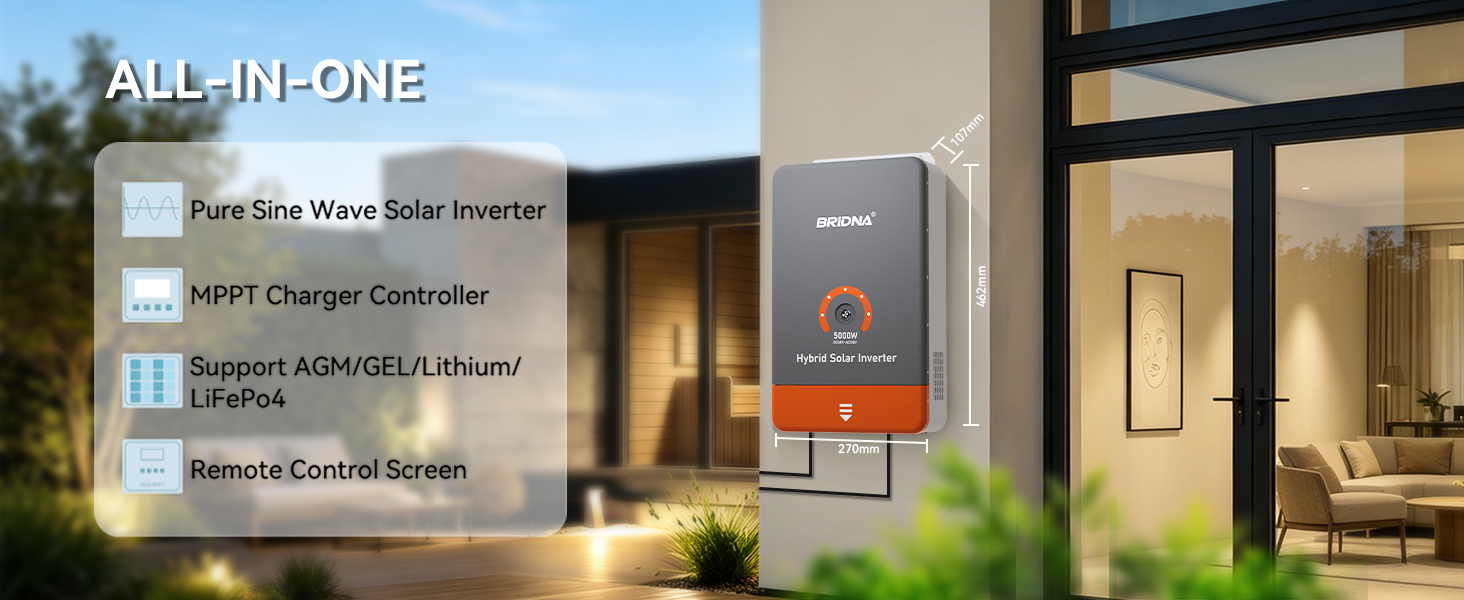
The difference between pure sine wave and corrected sine wave of inverters, as well as the selection, usage method, and precautions of on-board inverters(1)
author: pro
2024-05-11
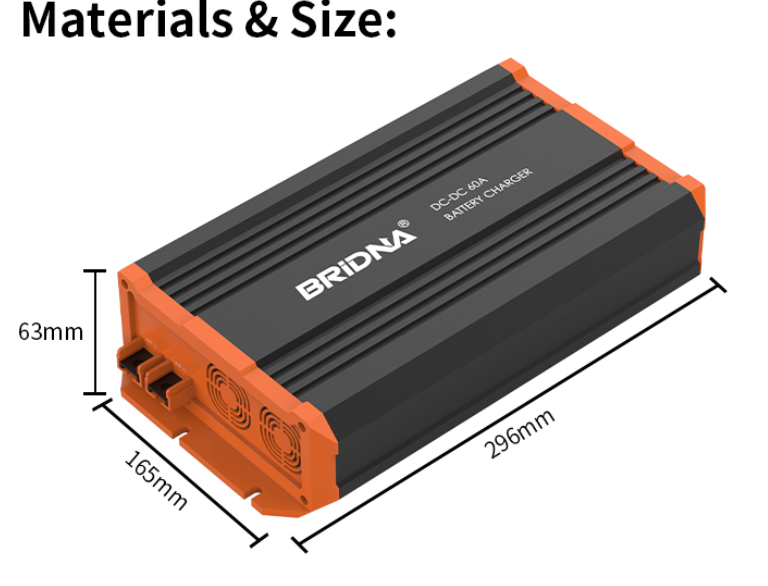
In principle, unlike generators, inverters do not have 100% pure normal wave, but as long as the distortion of the inverter output normal wave is less than 5%, it is considered pure normal wave.
The difference between inverter pure sine wave and correction wave (commonly known as improved sine wave, quasi sine wave, or analog sine wave) is that:

1. The inverter method is different. Pure wave inverters generally use PWM mode for inversion, and some even incorporate multi-step inversion, which has a complex structure but good output waveform and is suitable for inductive and capacitive loads. Correction wave inverters generally use square wave inversion, with a few incorporating step inversion. The structure is simple, but the output waveform is poor, making it less suitable for inductive and capacitive loads.
2. The output filtering method is different. Pure sine wave inverters generally use a multi-level LC filtering method to obtain relatively pure sine waves. Correction wave inverters generally use single-stage LC filtering to output approximately stepped waves.
Only a pure sine wave can be called a sine wave, and the so-called corrected sine wave is closer to a square wave. A pure sine wave inverter can drive any common device that can be connected to the mains, and correcting sine waves has many limitations on the load. For example, resistive loads (such as incandescent lamps, electric furnaces (excluding induction cookers) are not a problem, but capacitive loads (such as charging LED flashlights) will experience surge currents at the edge of the pulse, causing capacitive loads to be easily damaged when correcting sine wave power supply, and inductive loads (using electric motors) will also work abnormally.
1. Supplementary introduction to the modified sine wave inverter:
Compared with the square wave, the output voltage waveform of the modified sine wave inverter has significantly improved, and the content of high-order harmonics has also been reduced. The traditional corrected wave inverter is generated by stacking the square wave voltage in steps. This method has many problems, such as complex control circuits, a large number of power switching tubes used in the stacked circuit, and the large volume and weight of the inverter. In recent years, with the rapid development of power electronics technology, PWM pulse width modulation has been widely used to generate correction wave outputs. At present, the corrected wave inverter has been widely used in user systems in remote areas, as these user systems do not have high requirements for power quality, and the corrected wave inverter is suitable for resistive electrical loads.
2. Supplementary introduction to pure sine wave inverters:
The output voltage waveform of a pure sine wave inverter. Its advantages are good output waveform, low distortion, and its output waveform is basically consistent with the AC waveform of the power grid. In fact, the excellent pure sine wave inverter provides higher quality AC power than the power grid. Pure sine wave inverters have low interference with radios, communication equipment, and precision equipment, low noise, strong load adaptability, and can meet all applications of AC loads, with high overall efficiency; Its drawbacks are the complexity of the circuit and relative correction wave inverter, high requirements for control chips and maintenance technology, and relatively high prices. In the application of solar power grid connection, pure sine wave inverters must also be used to avoid power pollution to the public grid.
Selection of onboard inverters
Vehicle mounted inverters are power products that operate in high current and high-frequency environments, with a high potential failure rate. Therefore, consumers must be cautious when making purchases. Firstly, select from the output waveform of the inverter, preferably not lower than the corrected sine wave; Secondly, the inverter should have complete circuit protection functions; Thirdly, manufacturers should have a good commitment to after-sales service; Fourthly, the circuit and product have undergone a period of testing.
1. In addition to price factors, the main factors to consider when choosing a car power supply are the input voltage requirements and output power of the car power supply. In addition, due to the significant differences in power of various electrical appliances, it is necessary to choose a car power supply based on usage needs, and the principle is to prioritize sufficient use.
2. According to the type of electrical appliances used, it is necessary to choose a suitable onboard power supply. For daily resistive electrical appliances, both correction wave and sine wave can be used together. For inductive electrical appliances, pure sine wave inverters must be selected.
3. The square wave/corrected wave inverter cannot carry inductive and capacitive loads, cannot drive air conditioning, refrigerators, and is also difficult to provide power for high-quality audio and television. Strictly speaking, square wave/corrected wave inverter power supplies will affect the service life of electrical appliances, and these issues will not occur when using pure sine wave inverters.
4. The fuse of the cigarette lighter in a typical sedan is 10A or 15A (10A fuse is mostly for old or imported models), indicating that the onboard inverter power supply that can be used in a typical sedan is 120W or 180W. If a high-power inverter (exceeding 180W or 200W) is required, it is necessary to check if there is a battery clamp inside the packaging. The use of high-power inverters without battery clamps may be limited on small cars.
5. A typical car power supply will have a fuse at the cigarette lighter end. When purchasing, it is necessary to open it to check if this fuse matches the fuse of the car cigarette lighter (theoretically, it should be less than or equal to the fuse of the cigarette lighter), so that the fuse of the cigarette lighter can be effective. Otherwise, it will cause the fuse of the car cigarette lighter to burn out, causing unnecessary trouble.
The difference between pure sine wave and corrected sine wave of inverters, as well as the selection, usage method, and precautions of on-board inverters(2)
The world's first 1,000 km battery life + 4C supercharged lithium iron phosphate battery is released
Related Article

System‑Level Engineering For Compact Portable Power‑Station Architecture
Bridna 300W Outdoor Portable Solar Power Station: Compact Engineered Energy Unit For Field And Emergency Deployments
Product Tech Article | Vehicle‑Mounted Power‑Electronics For Integrators & Wholesale Partners
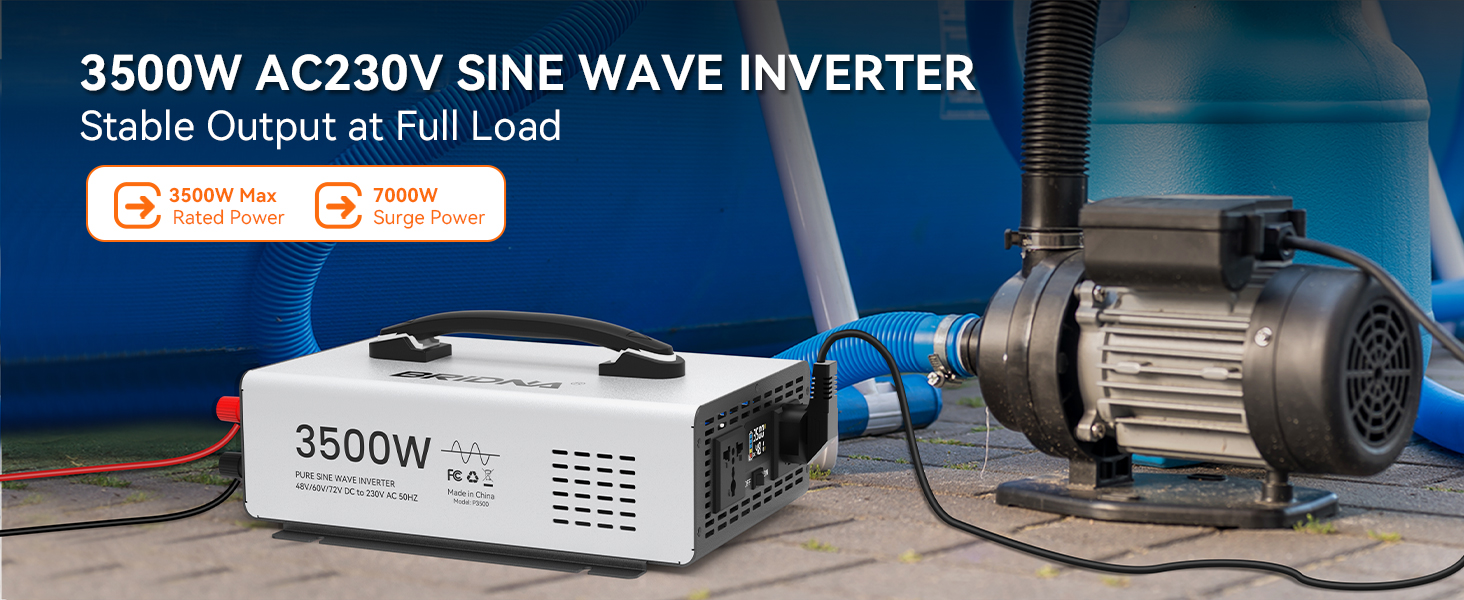
Bridna 3500W Power Inverter: Engineered Power‑Electronics For EV Emergency Backup And RV System Integration