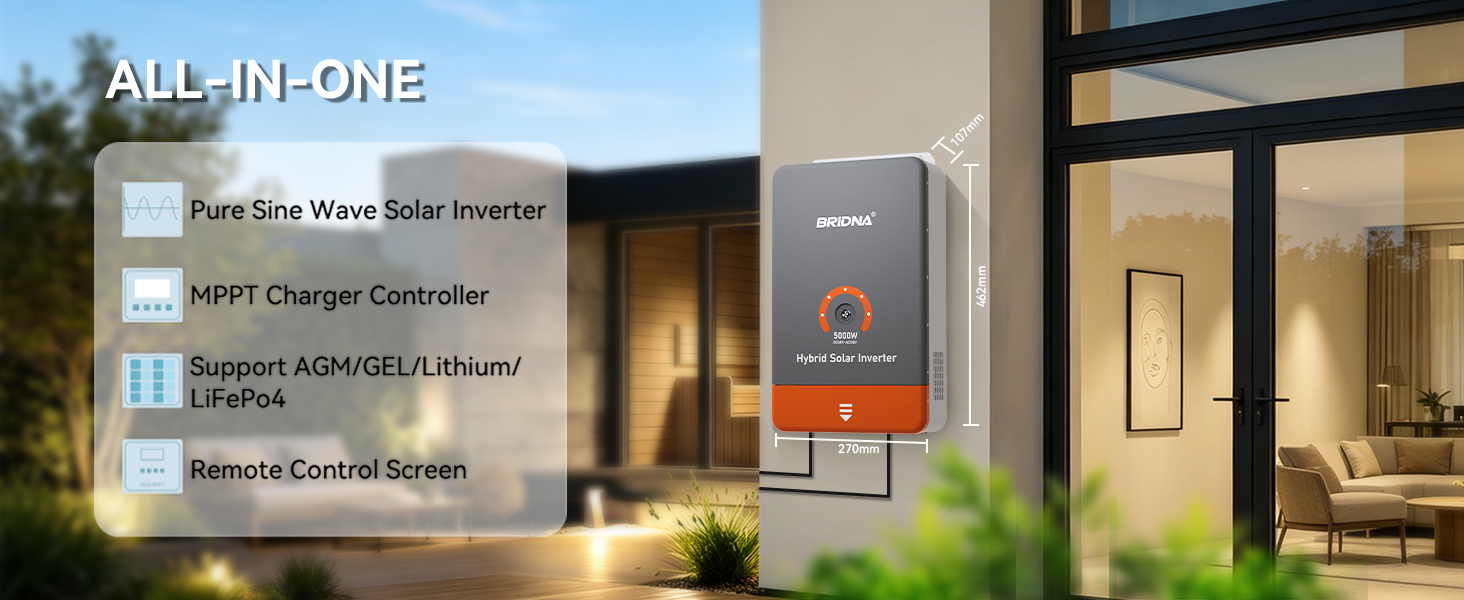
Types and Differences of Lithium Batteries
author: Pro
2022-11-18
Types and Differences of Lithium Batteries
With the progress and development of society, human beings need more and more energy. As a device that stores electric energy in the form of chemical energy, battery is very important in our life. This article is about the types and differences of lithium batteries.
 Classification by Internal Material
1. Lithium metal battery: lithium metal battery generally uses manganese dioxide as the positive material, lithium metal or its alloy metal as the negative material and non-aqueous electrolyte solution.
2. Lithium ion battery: lithium ion battery generally uses lithium alloy metal oxide as positive material, graphite as negative material and non-aqueous electrolyte.
Classification by Positive and Negative Electrode Materials
1. Lithium iron phosphate battery: lithium phosphate has good electrochemical performance and low resistance. The main advantages are high rated current and long cycle life; Good thermal stability, enhanced safety and tolerance to abuse. If maintained at high voltage for a long time, lithium phosphate is more resistant to all charging conditions and has less stress than other lithium ion systems.
2. Lithium cobaltate battery: its high specific energy makes lithium cobaltate a popular choice for mobile phones, laptops and digital cameras. The battery consists of a cobalt oxide cathode and a graphite carbon anode. The cathode has a layered structure. During the discharge, lithium ions move from the anode to the cathode, and the flow direction is opposite during the charging process.
3. Lithium manganate battery: lithium manganate battery can discharge at a current of 20-30a and has moderate heat accumulation. Load pulses of up to 501 seconds can also be applied. Continuous high load at this current will cause heat accumulation, and the battery temperature shall not exceed 80 °C (176 °F). Lithium manganate is used in electric tools, medical devices, hybrid and pure electric vehicles.
Classification by Enclosure Material
The first type is steel shell battery, as the name suggests, is that the shell is steel.
The second type is aluminum shell battery. Similarly, the shell is made of aluminum.
The third type is polymer battery. The shell is a kind of polymer material, mostly silver. A few manufacturers do black, which has become black in the industry.
With the progress and development of society, human beings need more and more energy. As a device that stores electric energy in the form of chemical energy, battery is very important in our life. This article is about the types and differences of lithium batteries.
Classification by Internal Material1. Lithium metal battery: lithium metal battery generally uses manganese dioxide as the positive material, lithium metal or its alloy metal as the negative material and non-aqueous electrolyte solution.
2. Lithium ion battery: lithium ion battery generally uses lithium alloy metal oxide as positive material, graphite as negative material and non-aqueous electrolyte.
Classification by Positive and Negative Electrode Materials
1. Lithium iron phosphate battery: lithium phosphate has good electrochemical performance and low resistance. The main advantages are high rated current and long cycle life; Good thermal stability, enhanced safety and tolerance to abuse. If maintained at high voltage for a long time, lithium phosphate is more resistant to all charging conditions and has less stress than other lithium ion systems.
2. Lithium cobaltate battery: its high specific energy makes lithium cobaltate a popular choice for mobile phones, laptops and digital cameras. The battery consists of a cobalt oxide cathode and a graphite carbon anode. The cathode has a layered structure. During the discharge, lithium ions move from the anode to the cathode, and the flow direction is opposite during the charging process.
3. Lithium manganate battery: lithium manganate battery can discharge at a current of 20-30a and has moderate heat accumulation. Load pulses of up to 501 seconds can also be applied. Continuous high load at this current will cause heat accumulation, and the battery temperature shall not exceed 80 °C (176 °F). Lithium manganate is used in electric tools, medical devices, hybrid and pure electric vehicles.
Classification by Enclosure Material
The first type is steel shell battery, as the name suggests, is that the shell is steel.
The second type is aluminum shell battery. Similarly, the shell is made of aluminum.
The third type is polymer battery. The shell is a kind of polymer material, mostly silver. A few manufacturers do black, which has become black in the industry.
Inverter: The core of energy conversion, the key to future development
Inverter: the magician that converts DC to AC
Related Article

System‑Level Engineering For Compact Portable Power‑Station Architecture
Bridna 300W Outdoor Portable Solar Power Station: Compact Engineered Energy Unit For Field And Emergency Deployments
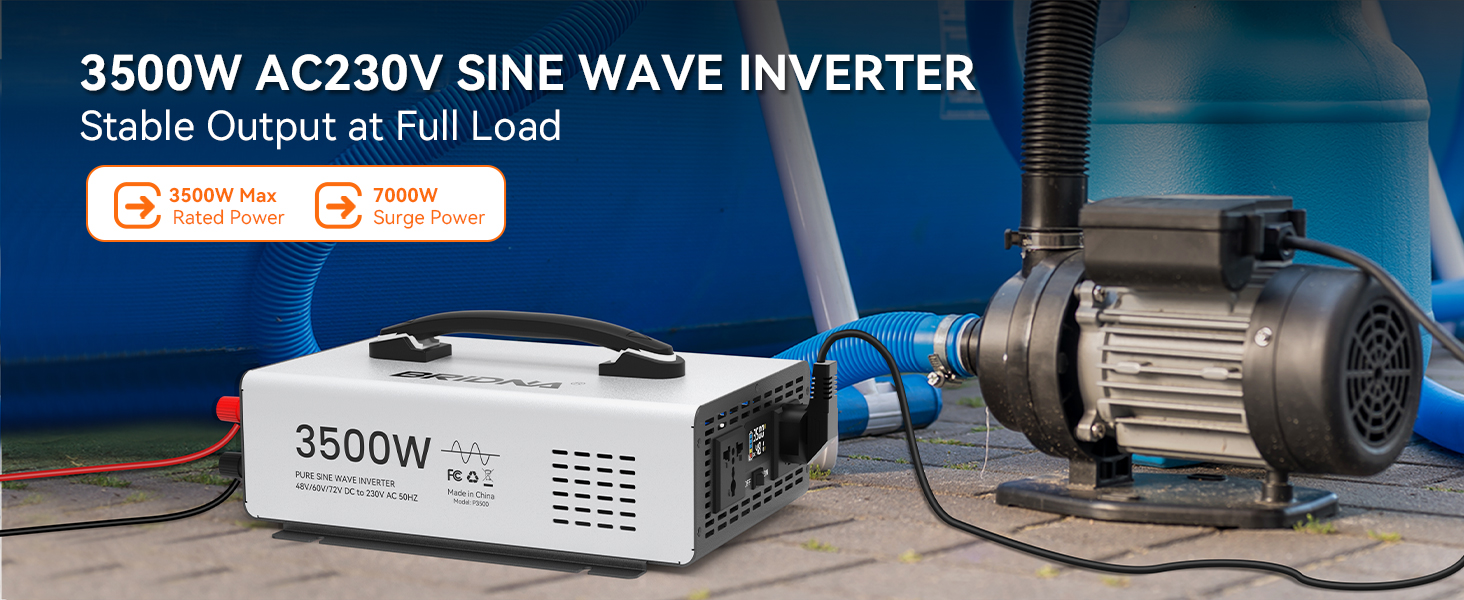
Product Tech Article | Vehicle‑Mounted Power‑Electronics For Integrators & Wholesale Partners
Bridna 3500W Power Inverter: Engineered Power‑Electronics For EV Emergency Backup And RV System Integration