Research direction and selection of production process for lithium iron phosphate
author: Pro
2024-03-29
Research direction and selection of production process for lithium iron phosphate

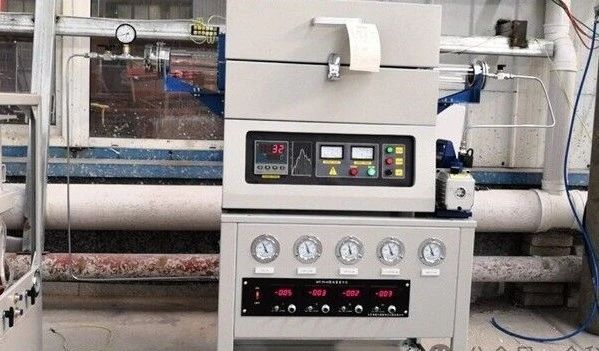
At present, LiFePO4 production processes mainly include high-temperature solid state reaction, carbothermal reduction, hydrothermal synthesis, sol gel, liquid phase coprecipitation, microwave synthesis, etc; These processes all have their own advantages and disadvantages, but currently, after improving the processes, there are still three widely used methods, namely the solid-phase method adopted by A123 in the United States and Phostech in Canada, the carbon thermal reduction method adopted by Valence in the United States, and the LG chemical utilization continuous hydrothermal synthesis method; At present, the main synthesis methods for mass production of lithium iron phosphate batteries at home and abroad are high-temperature solid-phase method. The high-temperature solid-phase method is divided into two types: traditional (represented by Tianjin Stirland, Hunan Ruixiang, Peking University Xianxian, etc., with ferrous oxalate as the iron source) and improved (represented by Valence in the United States and Suzhou Hengzheng, with trivalent iron as the iron source, also known as carbon thermal reduction method). For the carbon thermal reduction method, there are mainly two types of iron sources selected. One is Valence's iron oxide red route, and the other is the technology of Tsinghua University (which has established Beijing Lithium Pioneer Technology) and Wuhan University (which has transferred Zhejiang Zhenhua New Energy), using iron phosphate as the iron source. This process is relatively simple, and its biggest advantage is to avoid the problem of using ammonium dihydrogen phosphate as the raw material in other synthesis methods, which produces a large amount of ammonia gas and pollutes the environment. However, it requires high requirements for iron phosphate raw materials; At present, a research group at Tsinghua University has synthesized a carbon doped precursor of iron phosphate with controllable particle size by controlling precipitation conditions. However, this method is difficult to synthesize and faces some problems in industrial scaling up.
lifepo4 Lithium iron phosphate selection
Specific introduction to the main application areas of lithium iron phosphate batteries
Related Article

System‑Level Engineering For Compact Portable Power‑Station Architecture
Bridna 300W Outdoor Portable Solar Power Station: Compact Engineered Energy Unit For Field And Emergency Deployments
Product Tech Article | Vehicle‑Mounted Power‑Electronics For Integrators & Wholesale Partners
Bridna 3500W Power Inverter: Engineered Power‑Electronics For EV Emergency Backup And RV System Integration