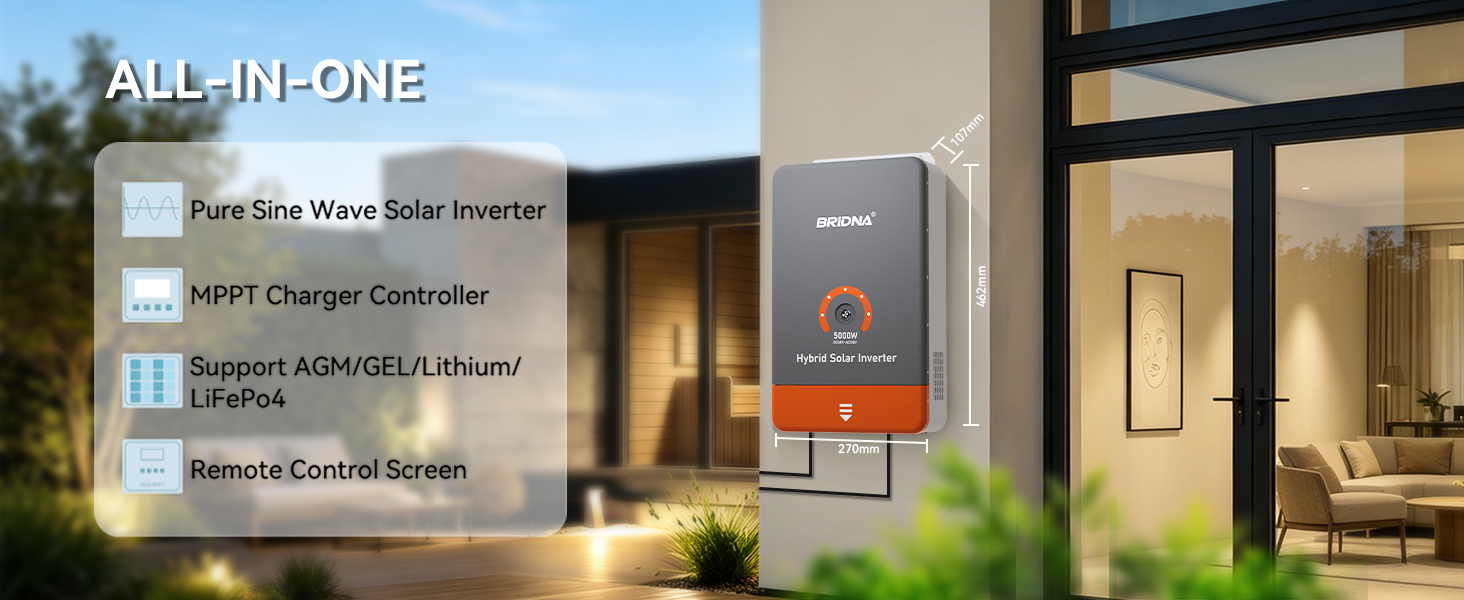
Main risk factors for power outages in Europe
author: pro
2025-05-17

Main risk factors for power outages in Europe
(1) Extreme weather events
Cold waves and storms: The 2021 "Uri" cold wave led to a reduction in nuclear power production and soaring electricity prices in France; the 2022 storm "Eunice" caused millions of households to lose power.
(1) Extreme weather events
Cold waves and storms: The 2021 "Uri" cold wave led to a reduction in nuclear power production and soaring electricity prices in France; the 2022 storm "Eunice" caused millions of households to lose power.
Drought affects hydropower: The 2022 drought in Europe led to a decrease in hydropower generation in Norway and France, exacerbating grid pressure.
High temperatures and power grid overload: In 2023, high temperatures in southern Europe led to a decrease in the efficiency of transmission lines, and local areas were subjected to alternating power cuts.
(2) Energy transformation challenges
Wind and solar power volatility: The proportion of renewable energy increases (e.g., Germany's wind and solar power generation accounts for more than 50% in 2023), but the lack of energy storage and flexibility leads to a decline in grid stability.
Wind and solar power volatility: The proportion of renewable energy increases (e.g., Germany's wind and solar power generation accounts for more than 50% in 2023), but the lack of energy storage and flexibility leads to a decline in grid stability.
Traditional energy withdrawal is too fast: the retirement of coal-fired power plants and nuclear power plants (such as Germany's closure of the last three nuclear power plants in 2023) weakens the base load power supply capacity.
(3) Aging of power grid infrastructure
The European part of the transmission network was built in the 1960s and 1970s, and the upgrade is slow, the cross-regional transmission capacity is insufficient, and it is easy to cause a chain failure.
The European part of the transmission network was built in the 1960s and 1970s, and the upgrade is slow, the cross-regional transmission capacity is insufficient, and it is easy to cause a chain failure.
(4) Geopolitics and Energy Security
The conflict between Russia and Ukraine has led to unstable natural gas supply, and in 2022, many European countries rely on natural gas for power generation, increasing the risk of supply interruption.
The conflict between Russia and Ukraine has led to unstable natural gas supply, and in 2022, many European countries rely on natural gas for power generation, increasing the risk of supply interruption.
Cyberattack threats (such as the 2022 attack on the German wind power SCADA system) may cause human-induced power outages.
How can Europe prevent widespread power outages?
(1) Strengthening the resilience of the grid
Cross-regional interconnection: Accelerate the construction of a unified European grid (such as the European Supergrid) and increase the capacity of countries to distribute electricity.
(1) Strengthening the resilience of the grid
Cross-regional interconnection: Accelerate the construction of a unified European grid (such as the European Supergrid) and increase the capacity of countries to distribute electricity.
Digital grid: use AI to predict fluctuations in wind and solar power generation, and deploy smart meters (such as those already fully covered in Italy).
(2) Energy storage and flexible resources
Large-scale energy storage: Germany plans to deploy 30GW of energy storage in 2030 to balance wind and wind fluctuations.
Large-scale energy storage: Germany plans to deploy 30GW of energy storage in 2030 to balance wind and wind fluctuations.
Demand response: Through electricity prices, companies / households are incentivized to proactively reduce their load during peak electricity consumption.
(3) A diversified energy mix
Some flexible power sources will be retained, such as gas-fired peaking power plants and biomass power generation, as a backup for renewable energy sources.
Some flexible power sources will be retained, such as gas-fired peaking power plants and biomass power generation, as a backup for renewable energy sources.
Green hydrogen standby: hydrogen is produced from surplus wind and solar power and generated by hydrogen fuel cells in the event of a power shortage.
(4) Policy and emergency response mechanisms
EU "Electricity Market Reform" (adopted in 2023): to encourage long-term power purchase agreements (PPAs) and stabilize energy investment.
EU "Electricity Market Reform" (adopted in 2023): to encourage long-term power purchase agreements (PPAs) and stabilize energy investment.
Strengthening network security: The EU's NIS2 Directive requires increased network protection for critical power facilities.
4. Looking ahead
The risk of blackouts in Europe will be difficult to eliminate in the short term, but with advances in energy storage technology, smart grids and regional collaboration, the probability of large-scale blackouts is expected to decrease. Enterprises and families can consider the configuration of photovoltaic + energy storage system (such as Germany has more than 500 thousand sets of household batteries installed), in order to enhance the autonomy of electricity.
The risk of blackouts in Europe will be difficult to eliminate in the short term, but with advances in energy storage technology, smart grids and regional collaboration, the probability of large-scale blackouts is expected to decrease. Enterprises and families can consider the configuration of photovoltaic + energy storage system (such as Germany has more than 500 thousand sets of household batteries installed), in order to enhance the autonomy of electricity.
Overcoming Grid Connection Challenges: Europe’s Large-Scale Energy Storage Boom
Applications of Photovoltaic Inverters
Related Article

System‑Level Engineering For Compact Portable Power‑Station Architecture
Bridna 300W Outdoor Portable Solar Power Station: Compact Engineered Energy Unit For Field And Emergency Deployments
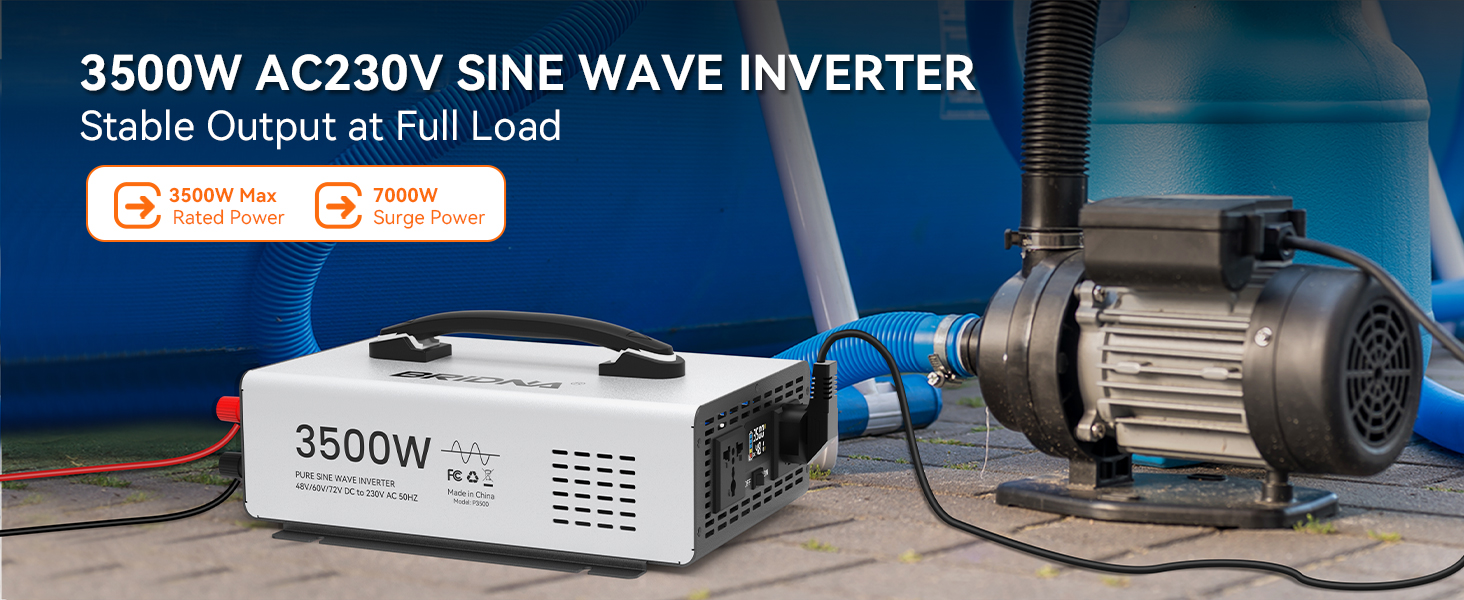
Product Tech Article | Vehicle‑Mounted Power‑Electronics For Integrators & Wholesale Partners
Bridna 3500W Power Inverter: Engineered Power‑Electronics For EV Emergency Backup And RV System Integration