lifepo4 Lithium iron phosphate selection
author: Pro
2024-03-29
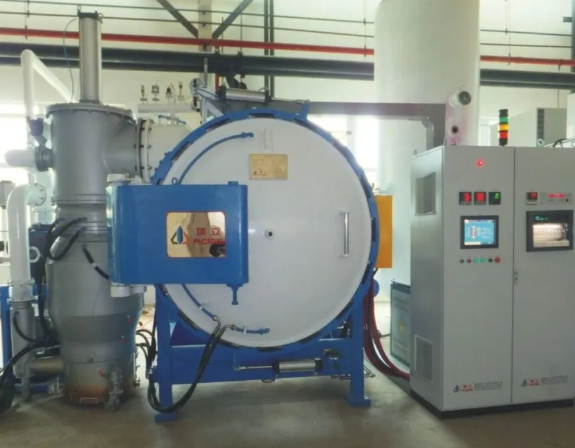
Lithium iron phosphate selection

1) At present, some manufacturers choose lithium dihydrogen phosphate as the raw material for producing lithium iron phosphate, which can also avoid pollution problems during the reaction process, as reflected in the iron oxide red route; This route and the route of adding iron phosphate and lithium carbonate do not produce pollution.
2) Conductive carbon coating is a key technology in the preparation of LiFePO4 during the material preparation process. A123 effectively reduces the internal resistance of the battery and enhances the high rate discharge capacity of lithium iron phosphate batteries by pre coating a high-quality conductive carbon layer on the surface of the foil.
3) LiFePO4 cathode material has the characteristics of good cycling performance, high specific capacity, good safety performance, wide raw material sources, and low price, making it the preferred material for the next generation of power lithium-ion batteries. 4) With the increasingly widespread application of lithium-ion batteries, LiFePO4 cathode materials have received increasing attention. Research on their structural properties and preparation modification has made tremendous progress both domestically and internationally. However, research on their preparation modification will still be the focus of future research.
5) The synthesis of LiFePO4 material is very difficult, and currently it is mainly produced by solid-phase method, which has long production cycle, high energy consumption, serious pollution, and poor batch stability of the product. And the patented technology is in foreign hands; Faced with intellectual property issues. In order to achieve efficient, energy-saving, and stable large-scale production of LiFePO4 materials. A new technological process route must be developed domestically to achieve the industrialization of lithium iron phosphate materials.
CATL launches Shenxing PLUS battery, which can charge 600 kilometers in 10 minutes and has a range of over 1,000 kilometers
Research direction and selection of production process for lithium iron phosphate
Related Article

System‑Level Engineering For Compact Portable Power‑Station Architecture
Bridna 300W Outdoor Portable Solar Power Station: Compact Engineered Energy Unit For Field And Emergency Deployments
Product Tech Article | Vehicle‑Mounted Power‑Electronics For Integrators & Wholesale Partners
Bridna 3500W Power Inverter: Engineered Power‑Electronics For EV Emergency Backup And RV System Integration