Development of Three Major Types of Batteries
author: Pro
2024-09-26

Development of Three Major Types of Batteries
Firstly, most mainstream lithium batteries on the market currently rely on liquid electrolytes. However, due to the limitations of liquid electrolytes in terms of safety and stability, researchers have begun to explore the introduction of solid-state materials into electrolyte systems, with the ultimate goal of achieving the application of all solid state batteries. This development path includes three stages:
Liquid state batteries: Currently widely used lithium-ion batteries rely on liquid electrolytes, which have certain advantages in conductivity and cost, but pose potential safety hazards such as flammability and explosiveness, especially in high energy density applications.
Mixed solid-liquid electrolyte: The transitional stage product combines solid and liquid electrolytes, enhancing the safety and stability of the battery. Solid liquid mixed electrolytes retain the high conductivity of liquid electrolytes while introducing solid electrolytes to enhance structural stability. This technology has been applied in some battery systems, mainly to improve the safety performance of batteries.
All solid state batteries: The ultimate goal is to develop batteries that completely use solid-state electrolytes. In all solid state batteries, the electrolyte material is entirely composed of solid substances, ideally achieving higher energy density and superior safety. However, achieving this goal still faces multiple challenges such as interface stability and lithium ion transport efficiency.
Firstly, most mainstream lithium batteries on the market currently rely on liquid electrolytes. However, due to the limitations of liquid electrolytes in terms of safety and stability, researchers have begun to explore the introduction of solid-state materials into electrolyte systems, with the ultimate goal of achieving the application of all solid state batteries. This development path includes three stages:
Liquid state batteries: Currently widely used lithium-ion batteries rely on liquid electrolytes, which have certain advantages in conductivity and cost, but pose potential safety hazards such as flammability and explosiveness, especially in high energy density applications.
Mixed solid-liquid electrolyte: The transitional stage product combines solid and liquid electrolytes, enhancing the safety and stability of the battery. Solid liquid mixed electrolytes retain the high conductivity of liquid electrolytes while introducing solid electrolytes to enhance structural stability. This technology has been applied in some battery systems, mainly to improve the safety performance of batteries.
All solid state batteries: The ultimate goal is to develop batteries that completely use solid-state electrolytes. In all solid state batteries, the electrolyte material is entirely composed of solid substances, ideally achieving higher energy density and superior safety. However, achieving this goal still faces multiple challenges such as interface stability and lithium ion transport efficiency.
Hong Kong Electronics Fair (Autumn Edition)
Solid state battery, what is solid state?
Related Article

System‑Level Engineering For Compact Portable Power‑Station Architecture
Bridna 300W Outdoor Portable Solar Power Station: Compact Engineered Energy Unit For Field And Emergency Deployments
Product Tech Article | Vehicle‑Mounted Power‑Electronics For Integrators & Wholesale Partners
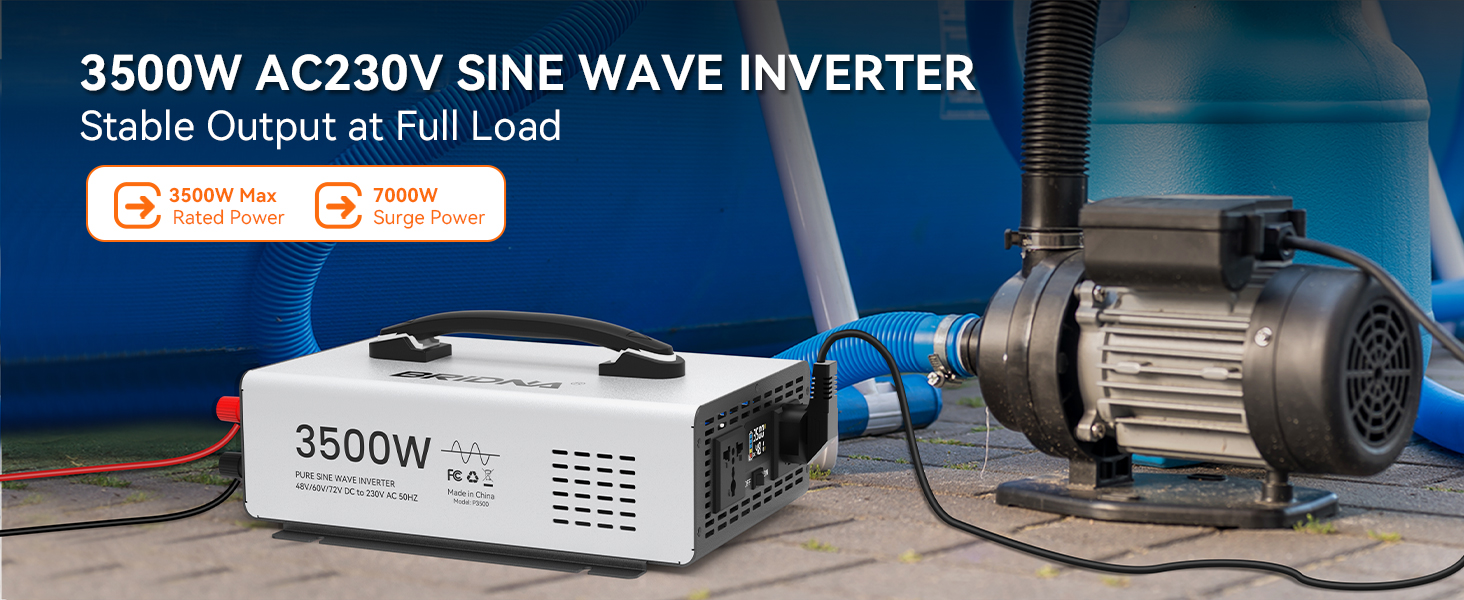
Bridna 3500W Power Inverter: Engineered Power‑Electronics For EV Emergency Backup And RV System Integration