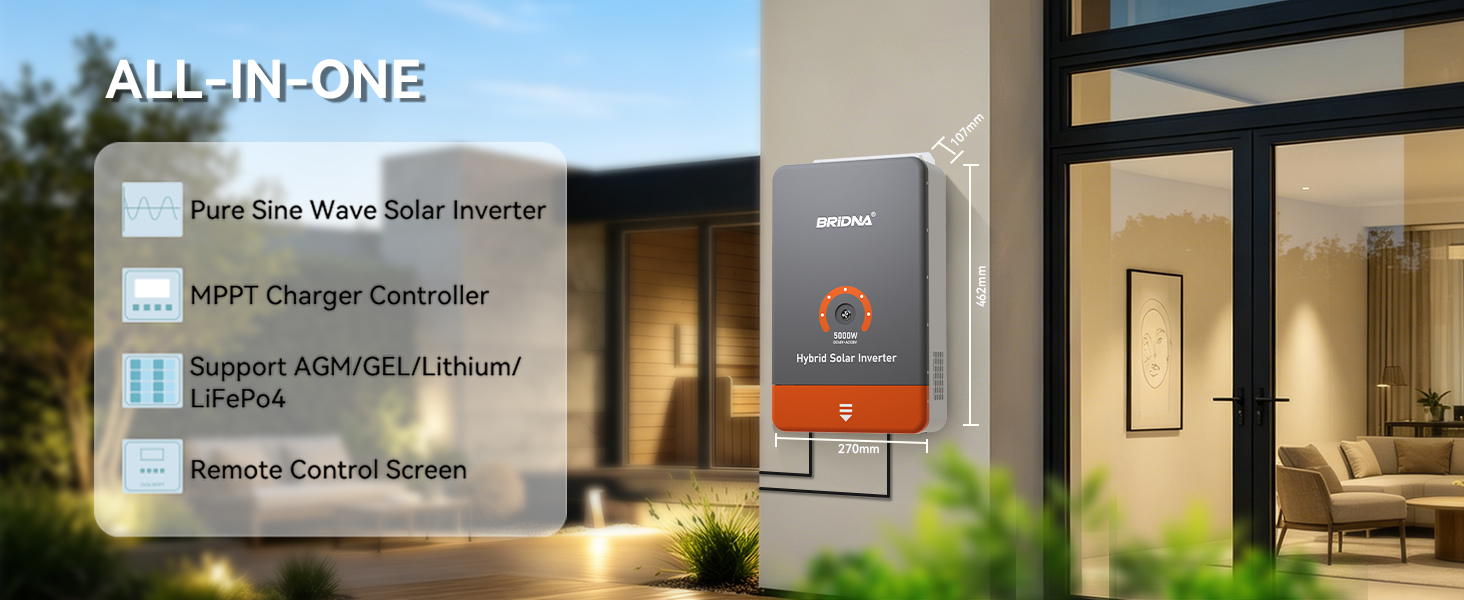
Classification of Photovoltaic Inverters
author: pro
2024-11-26
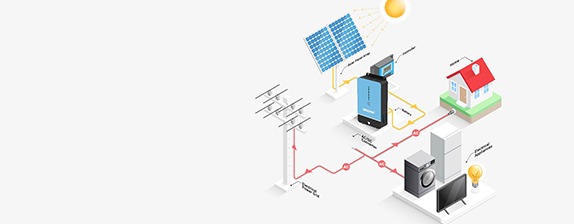
Classified by structure:

Centralized inverter: suitable for large-scale photovoltaic power plants, it aggregates the DC power of all photovoltaic modules into one inverter for conversion. Centralized inverters have a large capacity and are typically used in large photovoltaic power plants.
String inverter: suitable for small and medium-sized photovoltaic power plants, multiple photovoltaic modules are connected in series, and multiple inverters are used to invert the output of each string separately. String inverters have low cost and flexible installation, making them suitable for distributed photovoltaic systems such as residential and commercial buildings.
Micro inverter: Each photovoltaic module is equipped with a small inverter that can independently convert the DC power of each panel. This method can minimize power generation losses caused by partial shadows or faults, and is suitable for residential photovoltaic power generation.
Classified by working method:
Grid connected inverter: It sends the AC power generated by the photovoltaic system into the public grid, usually meeting the standard requirements of the power grid company, and is suitable for grid connected photovoltaic power generation systems.
Off grid inverter: Used in areas without grid connection, it stores electrical energy through batteries and operates independently.
String style is expected to become mainstream
What is photovoltaic, what is energy storage, what is inverter, what is inverter, what is PCS and other keywords!
Related Article

System‑Level Engineering For Compact Portable Power‑Station Architecture
Bridna 300W Outdoor Portable Solar Power Station: Compact Engineered Energy Unit For Field And Emergency Deployments
Product Tech Article | Vehicle‑Mounted Power‑Electronics For Integrators & Wholesale Partners
Bridna 3500W Power Inverter: Engineered Power‑Electronics For EV Emergency Backup And RV System Integration