Bridna power station
author: pro
2024-12-23
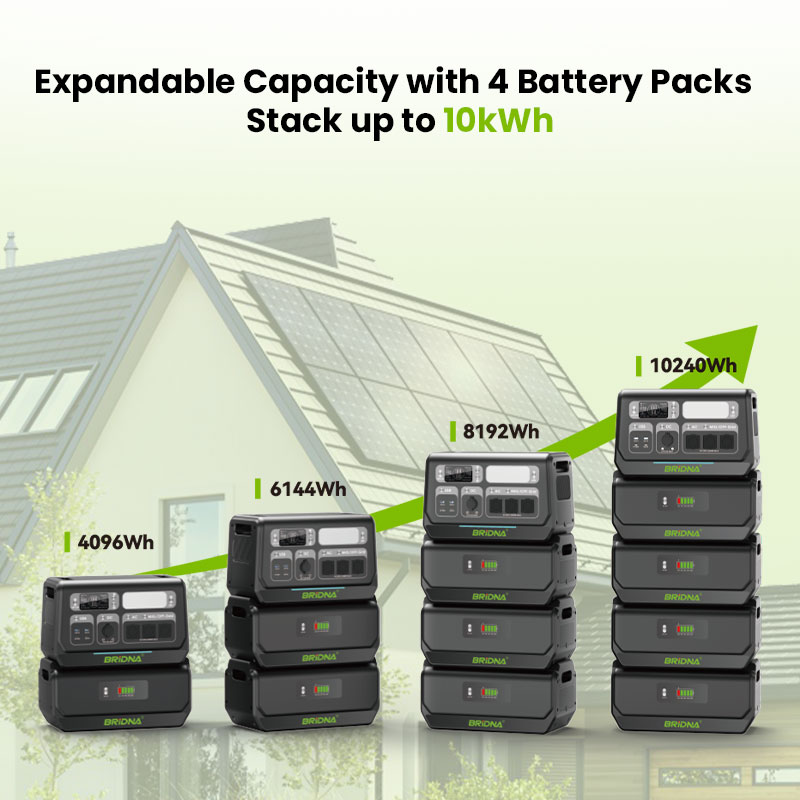
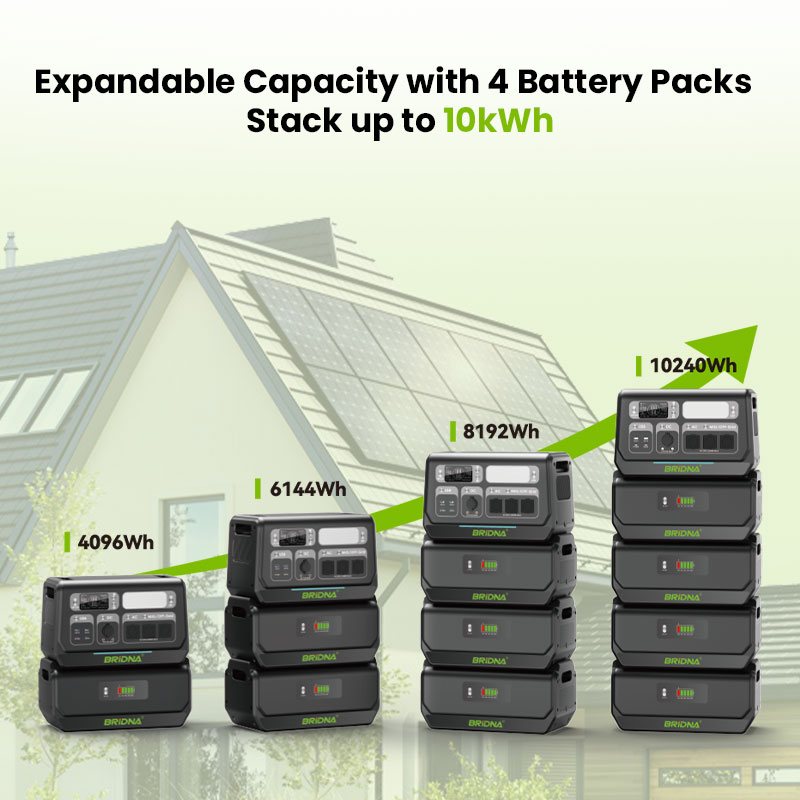
Module stacking is the process of stacking multiple battery cells in series and parallel to form a module. Stick foam spacers between battery cells, which serve as cushioning, insulation, and thermal insulation.
Attention should be paid when stacking: Alignment treatment: Ensure that the cells are aligned on both sides of the module, and the stacking reference plane should be parallel to the cells. Stacking accuracy: The alignment mechanism of the battery cells on both sides of the module must ensure that the lateral plane tolerance is ≤ 0.5mm and the horizontal tolerance of the polar cylinder surface is ≤ 0.3mm. Preventing short circuits: During the stacking process, it is necessary to prevent short circuits in the battery cells to ensure that the appearance of the battery and components is not damaged.
The battery cells are fixed using partitions and end plates to ensure the stability of the stacked battery cell module structure, without looseness or deformation. At the same time, appropriate binding straps (such as steel strips and PET materials) should be used for fastening, and the binding should be carried out according to the hoop force specified in the battery cell specification book to avoid exceeding the scope of the specification book and causing damage to the battery cell.
Attention should be paid when stacking: Alignment treatment: Ensure that the cells are aligned on both sides of the module, and the stacking reference plane should be parallel to the cells. Stacking accuracy: The alignment mechanism of the battery cells on both sides of the module must ensure that the lateral plane tolerance is ≤ 0.5mm and the horizontal tolerance of the polar cylinder surface is ≤ 0.3mm. Preventing short circuits: During the stacking process, it is necessary to prevent short circuits in the battery cells to ensure that the appearance of the battery and components is not damaged.
The battery cells are fixed using partitions and end plates to ensure the stability of the stacked battery cell module structure, without looseness or deformation. At the same time, appropriate binding straps (such as steel strips and PET materials) should be used for fastening, and the binding should be carried out according to the hoop force specified in the battery cell specification book to avoid exceeding the scope of the specification book and causing damage to the battery cell.
The Smarter E Europe 2024
new product
Related Article

System‑Level Engineering For Compact Portable Power‑Station Architecture
Bridna 300W Outdoor Portable Solar Power Station: Compact Engineered Energy Unit For Field And Emergency Deployments
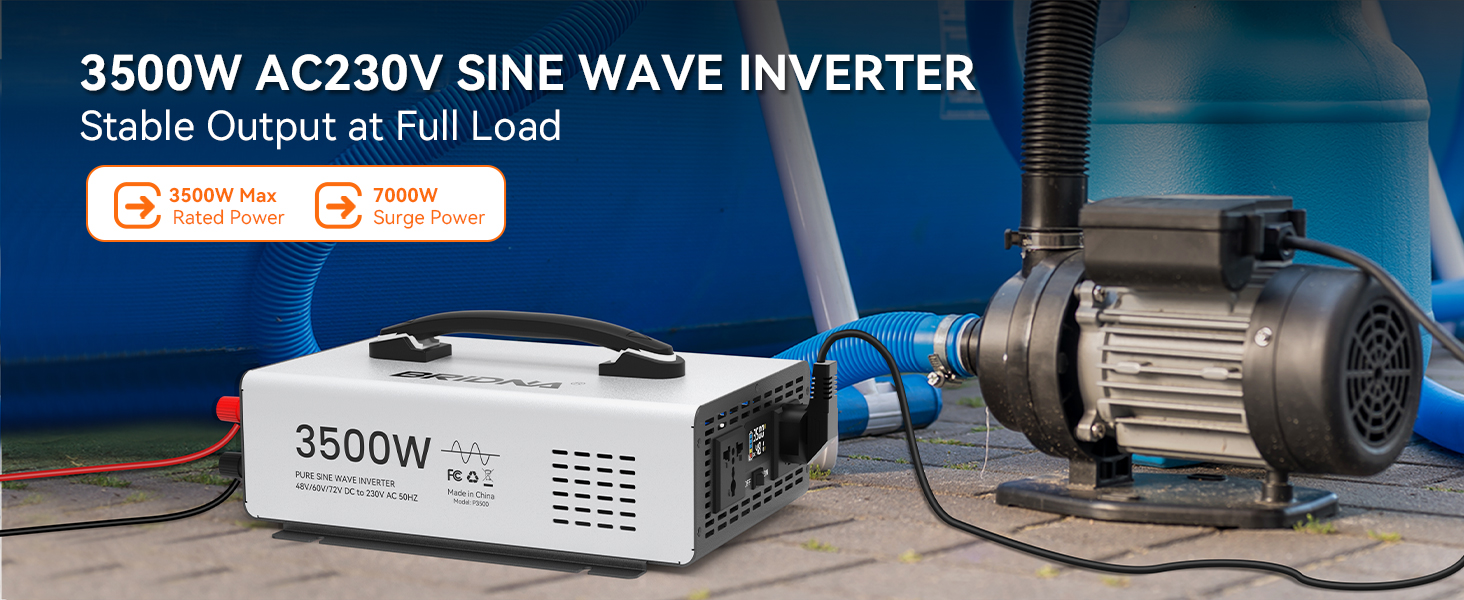
Product Tech Article | Vehicle‑Mounted Power‑Electronics For Integrators & Wholesale Partners
Bridna 3500W Power Inverter: Engineered Power‑Electronics For EV Emergency Backup And RV System Integration