CES 2026 Exhibition Summary & Strategic Insights: The Energy Storage & Inverter Perspective
I. Validation of Market Trends & Opportunities
-
From "Backup" to "Daily Use": Energy Democratization Goes Mainstream
-
Opportunity: Visitor interest in "off-grid living" and "home energy management" was unprecedentedly high. Our display pairing high-capacity, modular energy storage systems with home photovoltaic walls/balcony PV attracted numerous households seeking energy independence and electricity bill optimization. This confirms the market shift from emergency backup to daily high-frequency use.
-
Action Point: Strengthen the "Home's Second Battery" concept and launch solutions more easily integrated with mainstream residential PV systems.
-
-
"Outdoor+": The Explosion of Scenario-Based Expansion
-
Opportunity: Demand in scenarios like outdoor camping, RV travel, and mobile creation (e.g., remote broadcasting, film production) is becoming more refined. Customers demand not just power and capacity, but also pay greater attention to product ecosystem compatibility (e.g., charging specific EV brands, powering professional film lights), quiet operation, and integration with outdoor living spaces.
-
Action Point: Develop dedicated power kits for professional creators and high-end RV scenarios, and pursue co-marketing with outdoor gear brands.
-
-
AI Empowerment & Intelligent Energy Management
-
Opportunity: Smart inverters and energy management systems integrating AI algorithms became a key differentiator. Using AI to learn user habits, predict weather and electricity prices, and automatically optimize the charge/discharge strategy of storage systems for maximum economy attracted attention from smart home integrators and high-end property developers.
-
Action Point: Position AI energy management software as a core selling point for premium products and open partial APIs to integrate into broader smart home platforms (e.g., Matter protocol).
-
-
Design Aesthetics & Home Integration
-
Opportunity: Energy storage products are evolving from "metal boxes in the garage" to "tech products in the living room." Designs featuring minimalist, modular, customizable panels were highly favored. Integrated design concepts blending with furniture and home audio systems received praise from numerous design media and architects.
-
Action Point: Establish a "Home Integration" design line, collaborate with industrial design studios to enhance the consumer electronics appeal and decorative quality of products.
-
II. Competitive Landscape & Challenges
-
Full-Scale Incursion by Industry Giants: The entry of automotive manufacturers (showcasing their EV V2L/V2H tech) and major appliance brands (launching home energy management systems) has raised the competitive bar. They emphasize holistic ecosystems, forcing us to reinforce our advantages of "flexibility, compatibility, and expertise."
-
Pressure from Technological Homogenization: The gap in core technologies like battery cells (LFP has become the absolute mainstream) and basic inverter tech is narrowing. The competitive focus is shifting to "software, user experience, industrial design, and brand storytelling."
-
Complexity of Standards & Certifications: Varying grid-connection standards and safety certification requirements across global markets pose a core challenge for international expansion.
III. Our Exhibition Results & Future Strategy
-
Successful Product Line Validation:
-
Flagship Smart Energy Storage System: Its AI scheduling capability and modular expansion design received high praise from professional media and distributors.
-
Portable Power "Outdoor Creator Series": Its targeted interfaces and durable design led to review partnerships with several outdoor tech media outlets.
-
Lightweight Foldable Solar Panels: The combination of high efficiency and portability became a traffic-driving hit on the show floor, directly boosting orders for portable power stations.
-
-
Key Partnerships Secured:
-
Signed cooperation agreements with two North American smart home platforms; our products will be offered as an energy management option within their ecosystems.
-
Established ecosystem partnerships with multiple RV upfitting brands and outdoor camping communities.
-
-
Brand Image Upgraded:
-
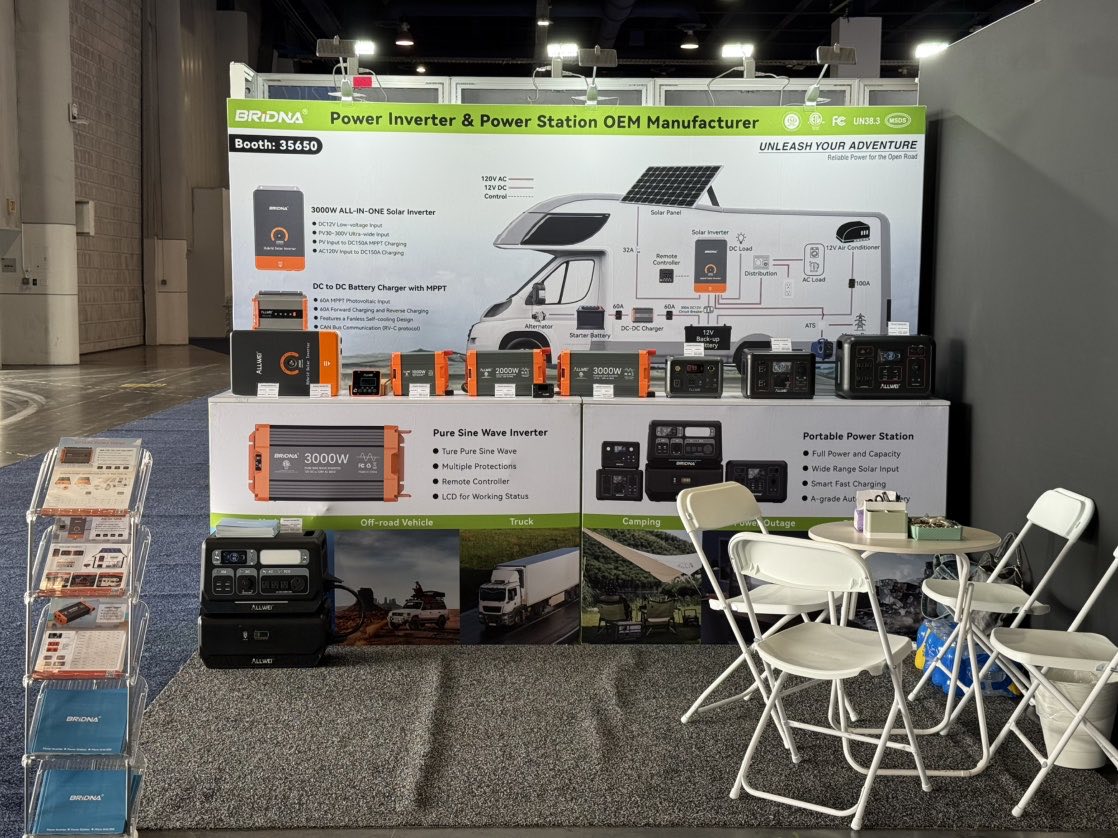
Through our "Sustainable Living Partner" themed booth design, we successfully elevated the brand from a "power tool provider" to a "future lifestyle solutions provider."
-
IV. Summary & Action Plan
CES 2026 made it clear: The era of selling hardware alone is over. Future victory belongs to brands that can deliver an integrated energy experience combining "Hardware + Software + Services + Ecosystem."
-
Short-Term Actions: Rapidly follow up on OEM/ODM inquiries received at CES, and deepen integration with smart home and outdoor ecosystem partners.
-
Mid-Term Strategy: Fully commit to iterating AI energy management software and developing data services, establishing them as core barriers. Simultaneously, accelerate corresponding grid-connection certifications for key markets like North America and Europe.
-
Long-Term Vision: Position ourselves as "Builders of Personal & Household Microgrids," becoming the intelligent hub connecting distributed PV, electric vehicles, smart appliances, and the main grid, truly empowering users with energy autonomy and green living.
BP1000-3000W High-Performance AC/DC Power Platform: A Reliable Energy Core Built for Professional Applications
Invitation to CES 2026 | BRIDNA® Welcomes You to Explore the Future of Energy
Related Article