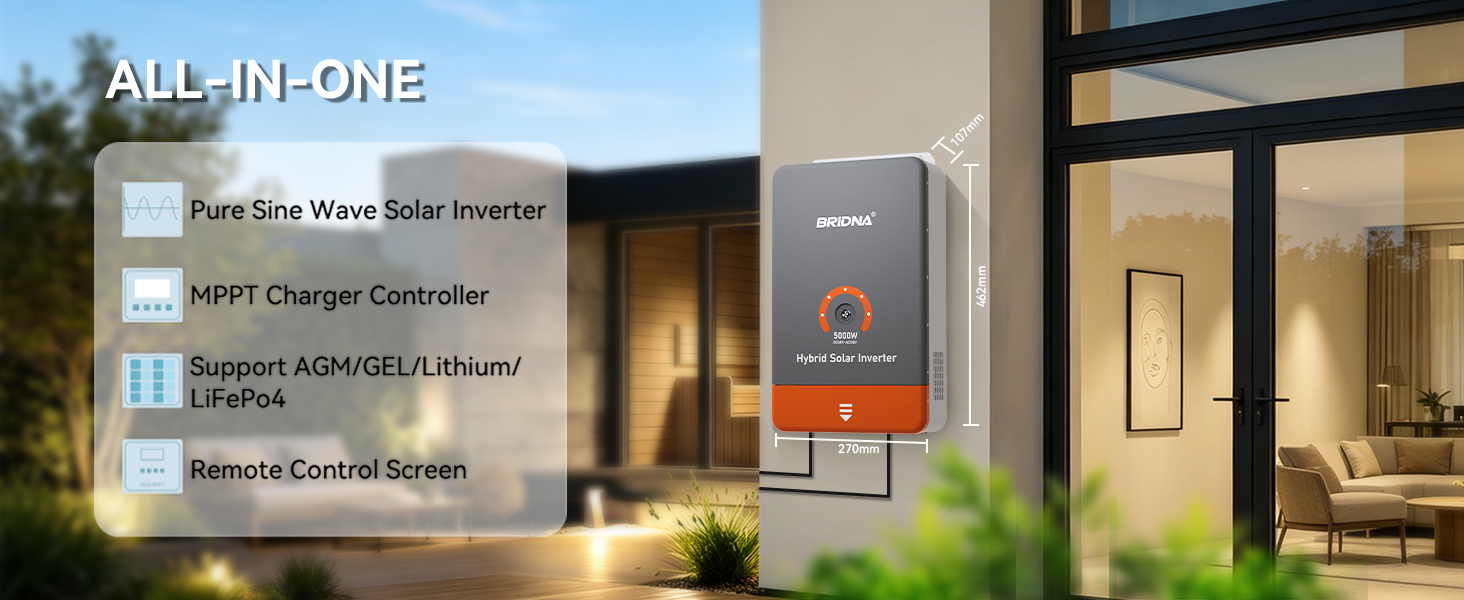
Inverter: The core of energy conversion, the key to future development
author: pro
2025-03-08
## Inverter: The core of energy conversion, the key to future development
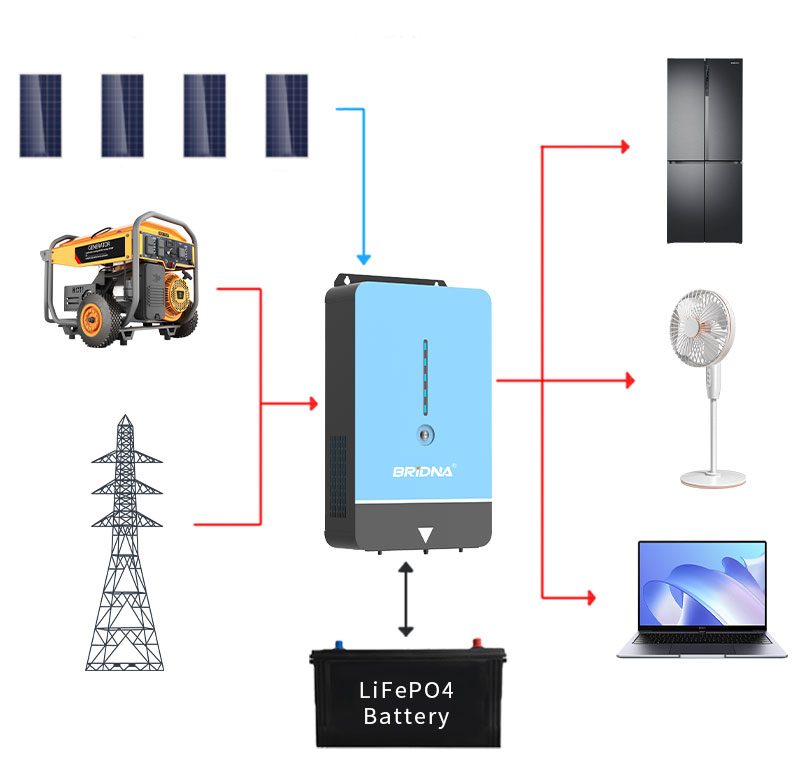
As the core equipment of energy conversion, the inverter plays an irreplaceable role in the modern energy system. It converts direct current into alternating current, providing stable and reliable power supply for various types of electric equipment. With the rapid development of renewable energy and the progress of power electronics technology, the inverter is facing new development opportunities.
In the field of photovoltaic power generation, inverters are the key equipment connecting solar panels and the power grid. With the continuous growth of photovoltaic installed capacity, the market demand for inverters is expanding. In 2022, the global photovoltaic inverter market size has exceeded 100 billion yuan, and it is expected to maintain an annual growth rate of more than 15% in the next five years. This brings huge development space for the inverter industry.
Technological innovation is the core driving force for the development of inverters. The application of new wide bandgap semiconductor materials has increased the efficiency of inverters to more than 98%; the introduction of intelligent control algorithms has improved the response speed and stability of inverters; modular design has enhanced the reliability and maintenance convenience of the equipment. These technological advances have continuously improved the performance of inverters and expanded their application areas.
In the future, inverters will develop towards higher power density, higher conversion efficiency, and stronger intelligence. In fields such as new energy power generation, electric vehicles, and smart grids, inverters will play a more important role. With the construction of the energy Internet, inverters will become intelligent nodes in the energy system, realizing the efficient use and optimal configuration of energy.
The development prospects of inverters are broad, but they also face challenges such as technological upgrading and market competition. Enterprises need to increase R&D investment and improve product performance in order to occupy a favorable position in the fierce market competition. With the continuous breakthrough of technology and in-depth application, inverters will play a more important role in energy transformation.
As the core equipment of energy conversion, the inverter plays an irreplaceable role in the modern energy system. It converts direct current into alternating current, providing stable and reliable power supply for various types of electric equipment. With the rapid development of renewable energy and the progress of power electronics technology, the inverter is facing new development opportunities.
In the field of photovoltaic power generation, inverters are the key equipment connecting solar panels and the power grid. With the continuous growth of photovoltaic installed capacity, the market demand for inverters is expanding. In 2022, the global photovoltaic inverter market size has exceeded 100 billion yuan, and it is expected to maintain an annual growth rate of more than 15% in the next five years. This brings huge development space for the inverter industry.
Technological innovation is the core driving force for the development of inverters. The application of new wide bandgap semiconductor materials has increased the efficiency of inverters to more than 98%; the introduction of intelligent control algorithms has improved the response speed and stability of inverters; modular design has enhanced the reliability and maintenance convenience of the equipment. These technological advances have continuously improved the performance of inverters and expanded their application areas.
In the future, inverters will develop towards higher power density, higher conversion efficiency, and stronger intelligence. In fields such as new energy power generation, electric vehicles, and smart grids, inverters will play a more important role. With the construction of the energy Internet, inverters will become intelligent nodes in the energy system, realizing the efficient use and optimal configuration of energy.
The development prospects of inverters are broad, but they also face challenges such as technological upgrading and market competition. Enterprises need to increase R&D investment and improve product performance in order to occupy a favorable position in the fierce market competition. With the continuous breakthrough of technology and in-depth application, inverters will play a more important role in energy transformation.
2025 New Product Catalog
Types and Differences of Lithium Batteries
Related Article

System‑Level Engineering For Compact Portable Power‑Station Architecture
Bridna 300W Outdoor Portable Solar Power Station: Compact Engineered Energy Unit For Field And Emergency Deployments
Product Tech Article | Vehicle‑Mounted Power‑Electronics For Integrators & Wholesale Partners
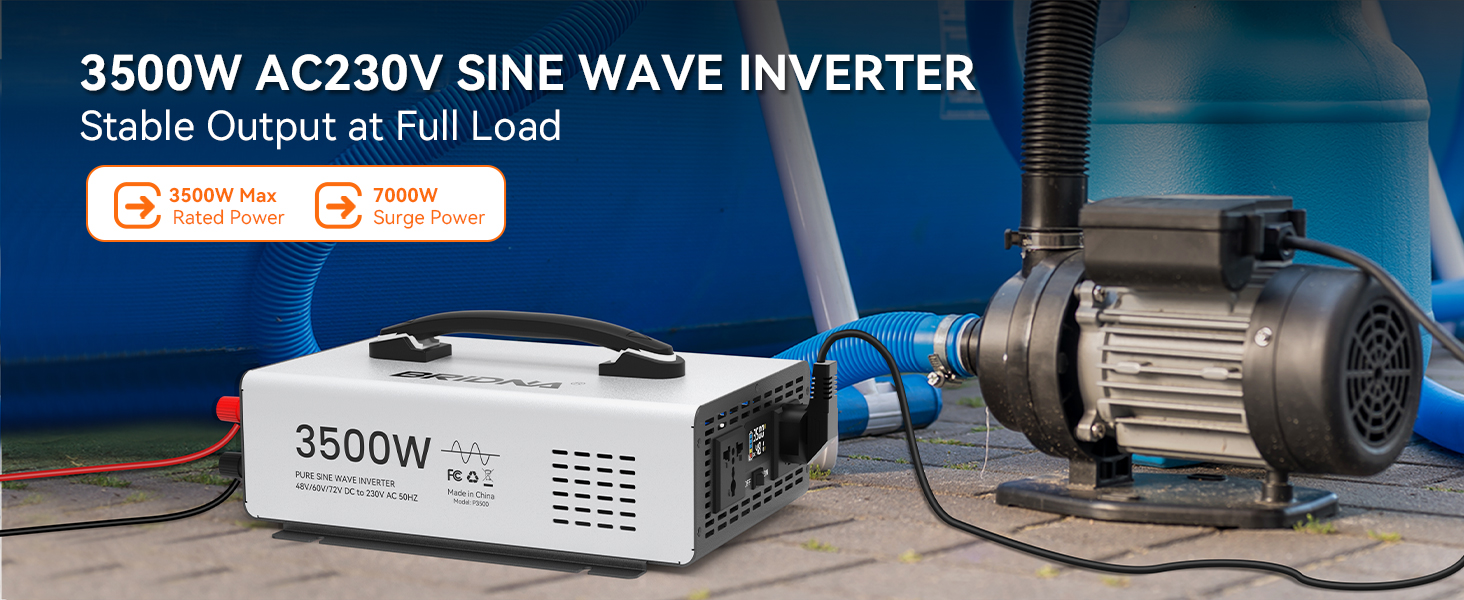
Bridna 3500W Power Inverter: Engineered Power‑Electronics For EV Emergency Backup And RV System Integration