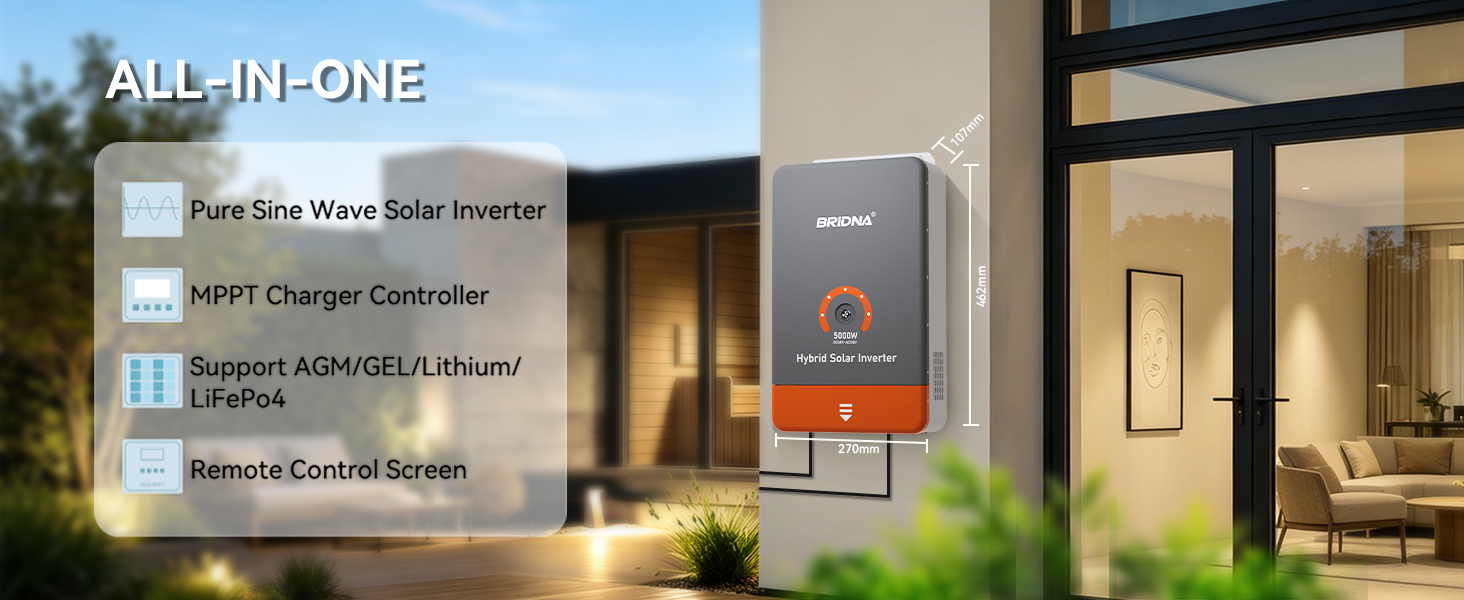
Inverter: the magician that converts DC to AC
author: pro
2025-02-22
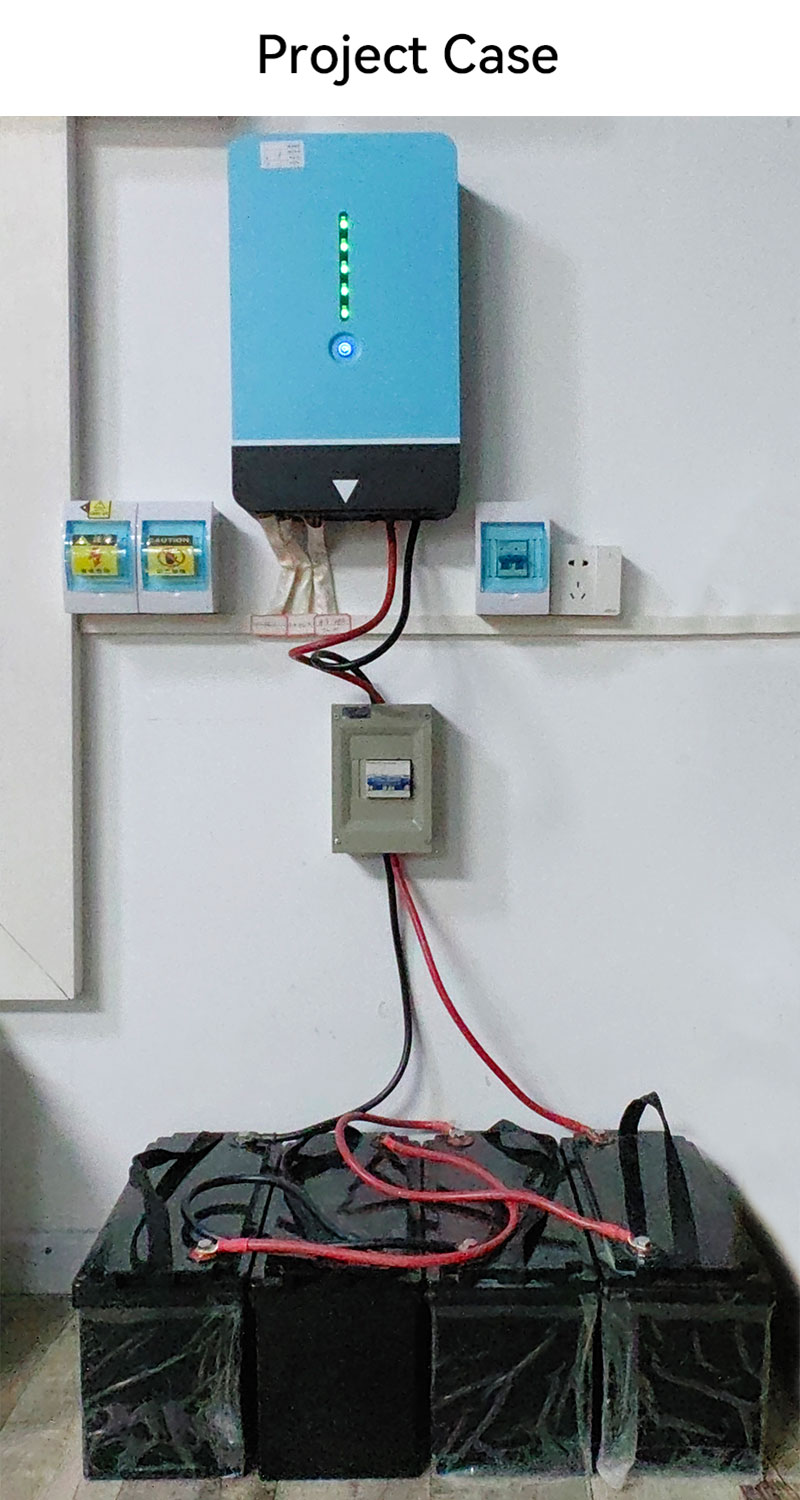
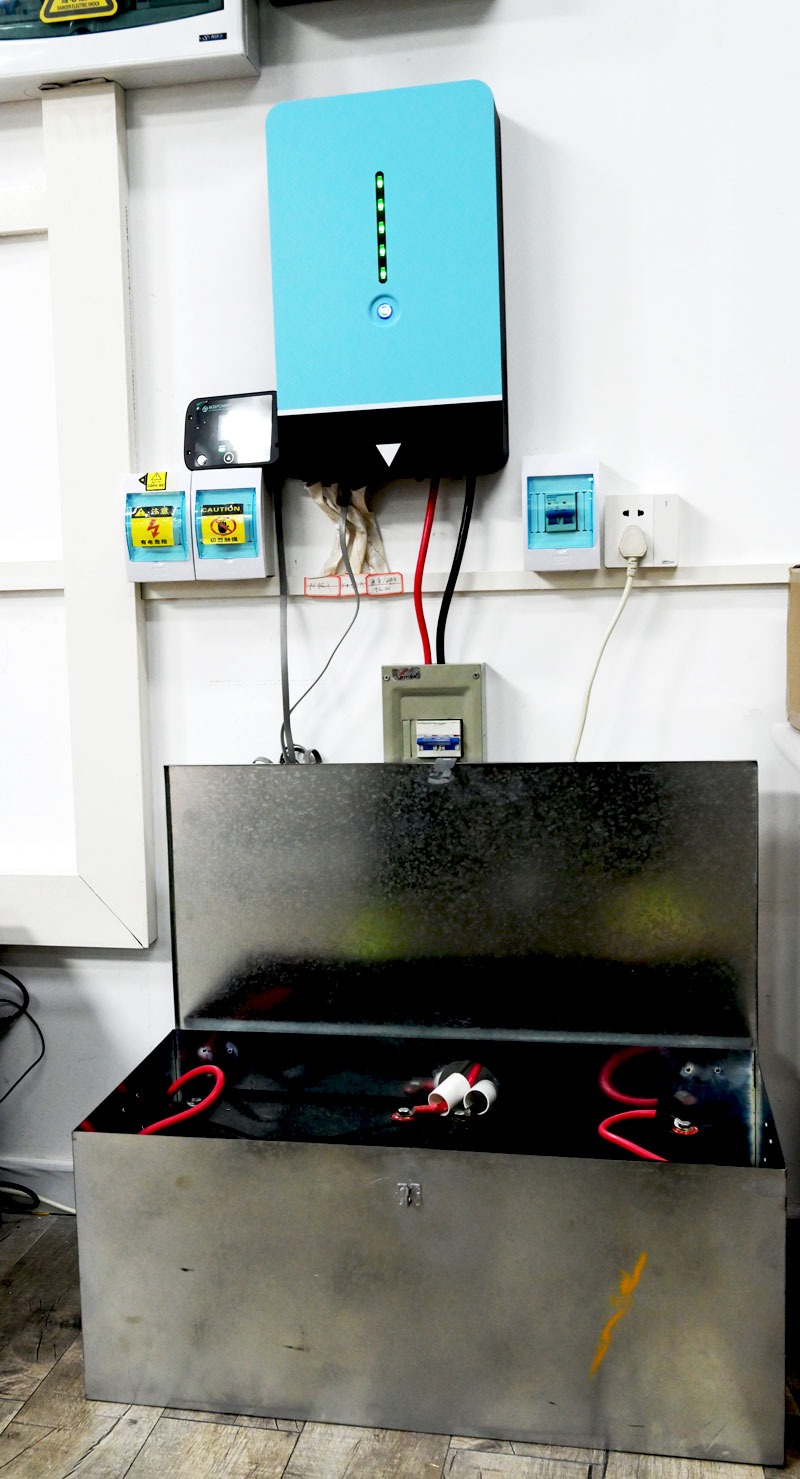
The core mission of the inverter is to convert direct current to alternating current. This process is achieved through the rapid switching of semiconductor switch devices. When direct current passes through a bridge circuit composed of switch devices such as IGBT or MOSFET, a sinusoidal waveform similar to alternating current can be generated by precisely controlling the timing of the switch. Modern inverters generally use pulse width modulation technology to regulate the pulse width to approach a perfect sinusoidal waveform, making the output waveform more pure and stable.
The heart of the inverter is the control circuit. This intelligent brain monitors the input voltage, output current, and other parameters in real time, and adjusts the switching frequency and duty cycle through complex algorithms to ensure the stability and waveform quality of the output voltage. The high-frequency transformer and filtering circuit are responsible for converting the high-frequency pulses generated by the switch into smooth AC power.
From solar power generation to electric vehicles, from household appliances to industrial equipment, the application of inverters is ubiquitous. It not only realizes the efficient conversion of energy, but also provides key technical support for the utilization of renewable energy. With the progress of power electronics technology, inverters are constantly developing towards higher efficiency, smaller size, and greater intelligence.
This magician that converts direct current into alternating current is quietly changing our world of energy.
The heart of the inverter is the control circuit. This intelligent brain monitors the input voltage, output current, and other parameters in real time, and adjusts the switching frequency and duty cycle through complex algorithms to ensure the stability and waveform quality of the output voltage. The high-frequency transformer and filtering circuit are responsible for converting the high-frequency pulses generated by the switch into smooth AC power.
From solar power generation to electric vehicles, from household appliances to industrial equipment, the application of inverters is ubiquitous. It not only realizes the efficient conversion of energy, but also provides key technical support for the utilization of renewable energy. With the progress of power electronics technology, inverters are constantly developing towards higher efficiency, smaller size, and greater intelligence.
This magician that converts direct current into alternating current is quietly changing our world of energy.
Types and Differences of Lithium Batteries
Types of Solar Panels
Related Article

System‑Level Engineering For Compact Portable Power‑Station Architecture
Bridna 300W Outdoor Portable Solar Power Station: Compact Engineered Energy Unit For Field And Emergency Deployments
Product Tech Article | Vehicle‑Mounted Power‑Electronics For Integrators & Wholesale Partners
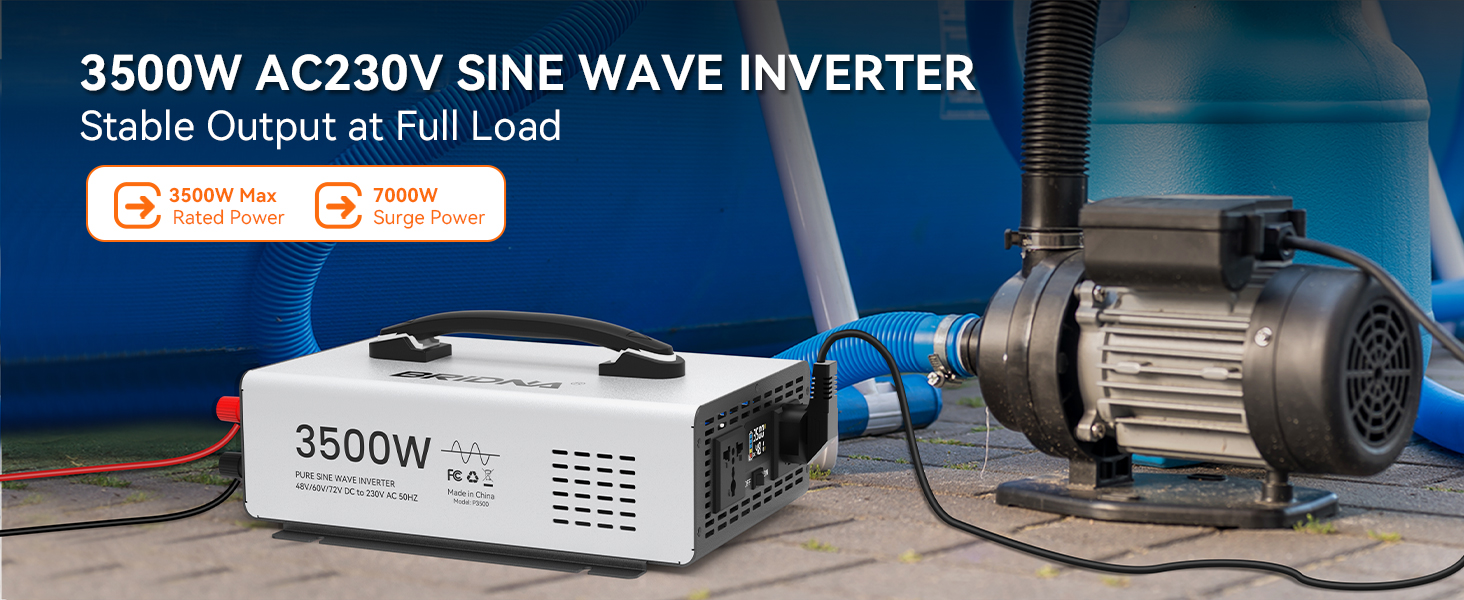
Bridna 3500W Power Inverter: Engineered Power‑Electronics For EV Emergency Backup And RV System Integration