Photovoltaic inverter upgrade and replacement: technological innovation drives industrial transformation(2)
author: pro
2025-02-15

# # # # 2 The technical direction of photovoltaic inverter upgrades
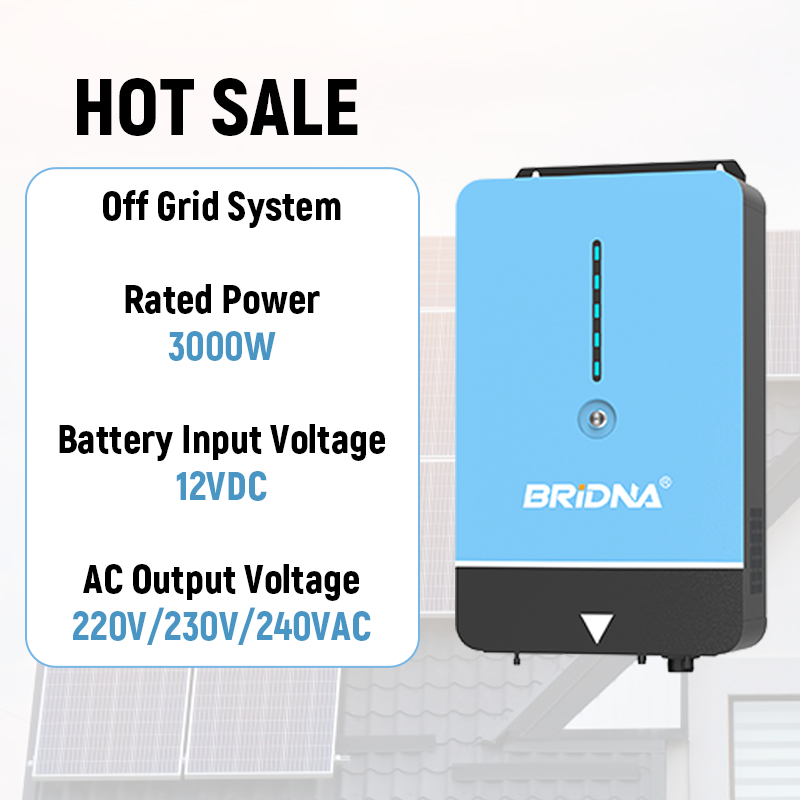
The photovoltaic inverter upgrade is mainly reflected in the following technical directions:
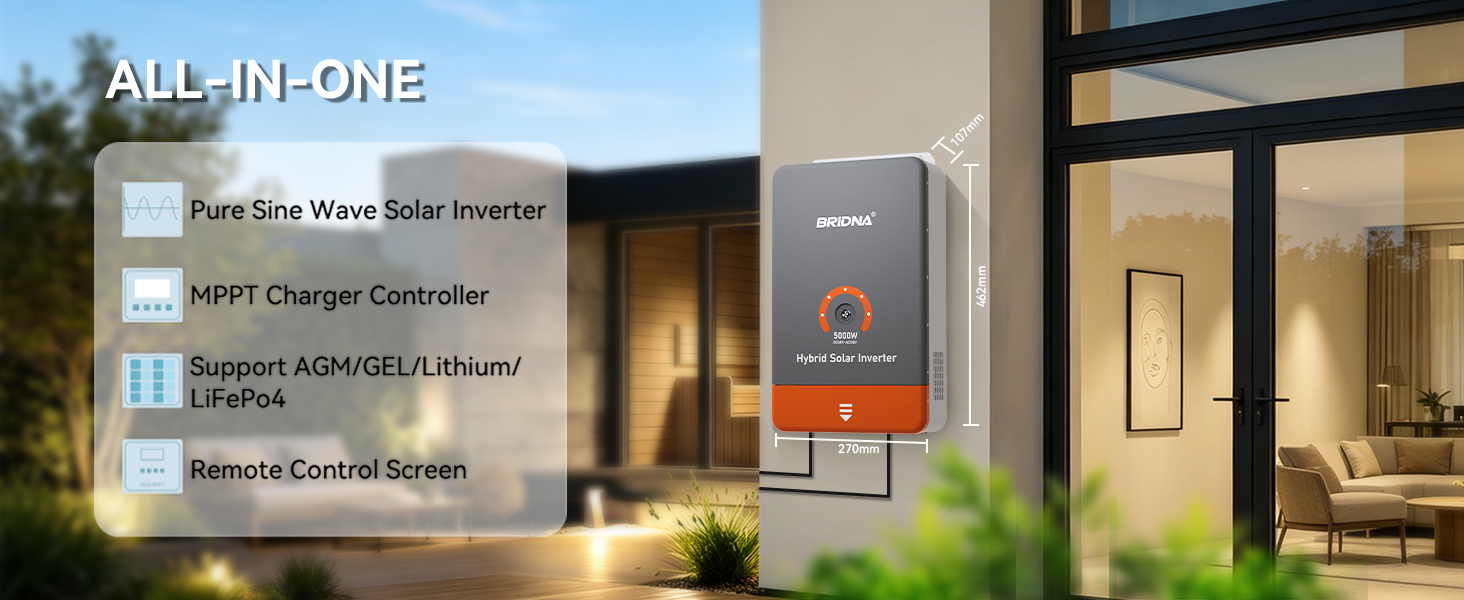
* ** High efficiency: * * New topology, high-performance power devices and advanced control algorithms are used to continuously improve the conversion efficiency of the inverter and reduce system losses.
* ** High power density: * * The power density of the inverter is improved by optimizing the heat dissipation design, adopting high integration devices, etc., reducing the volume and weight of the equipment.
* ** Intelligent: * * integration of data acquisition, fault diagnosis, remote monitoring and other functions to achieve intelligent inverter operation and maintenance.
* ** Modular design: * * Modular design concept to facilitate the installation, maintenance and upgrading of equipment, improve the reliability and maintainability of the system.
* ** Safety: * * Strengthen the adaptability of the electrical grid, improve protection functions such as mine prevention and silos prevention, and ensure the safe and stable operation of the system.
# # # # 3 Effects of photovoltaic inverter upgrade and replacement
The upgrading of photovoltaic inverters has had a profound impact on the photovoltaic industry:
* ** Improving system power generation efficiency: * * High efficiency inverters can effectively reduce system losses, improve the overall power generation efficiencies of photovoltaic systems, and increase power generation benefits.
* ** Reduce the system cost: * * High power density, modular design and other technologies can effectively reduce the inverter manufacturing costs and installation and maintenance costs, and promote the further reduction of photovoltaic power generation costs.
* ** Improving system reliability: * * The improvement of intelligence and safety can effectively improve the operational stability and reliability of photovoltaic systems and reduce the system failure rate.
* ** Promoting industrial upgrading: * * The continuous advancement of inverter technology has driven the photovoltaic industry toward a more efficient, smarter and more reliable direction, promoting the upgrading of the entire industry.
# # # # 4 Future trends
In the future, photovoltaic inverter technology will continue to develop in the direction of high efficiency, high power density, intelligent, modular and safety. At the same time, as new technologies continue to emerge, photovoltaic inverters will also usher in more development opportunities and challenges.
* ** Application of new semiconductor materials: * * The application of new types of semiconductor material such as silicon carbide and gallium nitride will further improve the efficiency and power density of inverters.
* ** Deep integration of artificial intelligence technology: * * AI technology will play a greater role in the fault diagnosis and operation optimization of inverters, enabling the intelligent operation and maintenance of inverter.
* ** Exploration of new application models such as virtual power plants: * * PV inverters will be an important part of virtual power units, participate in auxiliary services such as grid peaks and frequency, and improve the stability and reliability of the grid.
The photovoltaic inverter upgrade is mainly reflected in the following technical directions:
* ** High efficiency: * * New topology, high-performance power devices and advanced control algorithms are used to continuously improve the conversion efficiency of the inverter and reduce system losses.
* ** High power density: * * The power density of the inverter is improved by optimizing the heat dissipation design, adopting high integration devices, etc., reducing the volume and weight of the equipment.
* ** Intelligent: * * integration of data acquisition, fault diagnosis, remote monitoring and other functions to achieve intelligent inverter operation and maintenance.
* ** Modular design: * * Modular design concept to facilitate the installation, maintenance and upgrading of equipment, improve the reliability and maintainability of the system.
* ** Safety: * * Strengthen the adaptability of the electrical grid, improve protection functions such as mine prevention and silos prevention, and ensure the safe and stable operation of the system.
# # # # 3 Effects of photovoltaic inverter upgrade and replacement
The upgrading of photovoltaic inverters has had a profound impact on the photovoltaic industry:
* ** Improving system power generation efficiency: * * High efficiency inverters can effectively reduce system losses, improve the overall power generation efficiencies of photovoltaic systems, and increase power generation benefits.
* ** Reduce the system cost: * * High power density, modular design and other technologies can effectively reduce the inverter manufacturing costs and installation and maintenance costs, and promote the further reduction of photovoltaic power generation costs.
* ** Improving system reliability: * * The improvement of intelligence and safety can effectively improve the operational stability and reliability of photovoltaic systems and reduce the system failure rate.
* ** Promoting industrial upgrading: * * The continuous advancement of inverter technology has driven the photovoltaic industry toward a more efficient, smarter and more reliable direction, promoting the upgrading of the entire industry.
# # # # 4 Future trends
In the future, photovoltaic inverter technology will continue to develop in the direction of high efficiency, high power density, intelligent, modular and safety. At the same time, as new technologies continue to emerge, photovoltaic inverters will also usher in more development opportunities and challenges.
* ** Application of new semiconductor materials: * * The application of new types of semiconductor material such as silicon carbide and gallium nitride will further improve the efficiency and power density of inverters.
* ** Deep integration of artificial intelligence technology: * * AI technology will play a greater role in the fault diagnosis and operation optimization of inverters, enabling the intelligent operation and maintenance of inverter.
* ** Exploration of new application models such as virtual power plants: * * PV inverters will be an important part of virtual power units, participate in auxiliary services such as grid peaks and frequency, and improve the stability and reliability of the grid.
Photovoltaic inverter upgrade and replacement: technological innovation drives industrial transformation(1)
Happy New Year!
Related Article

System‑Level Engineering For Compact Portable Power‑Station Architecture
Bridna 300W Outdoor Portable Solar Power Station: Compact Engineered Energy Unit For Field And Emergency Deployments
Product Tech Article | Vehicle‑Mounted Power‑Electronics For Integrators & Wholesale Partners
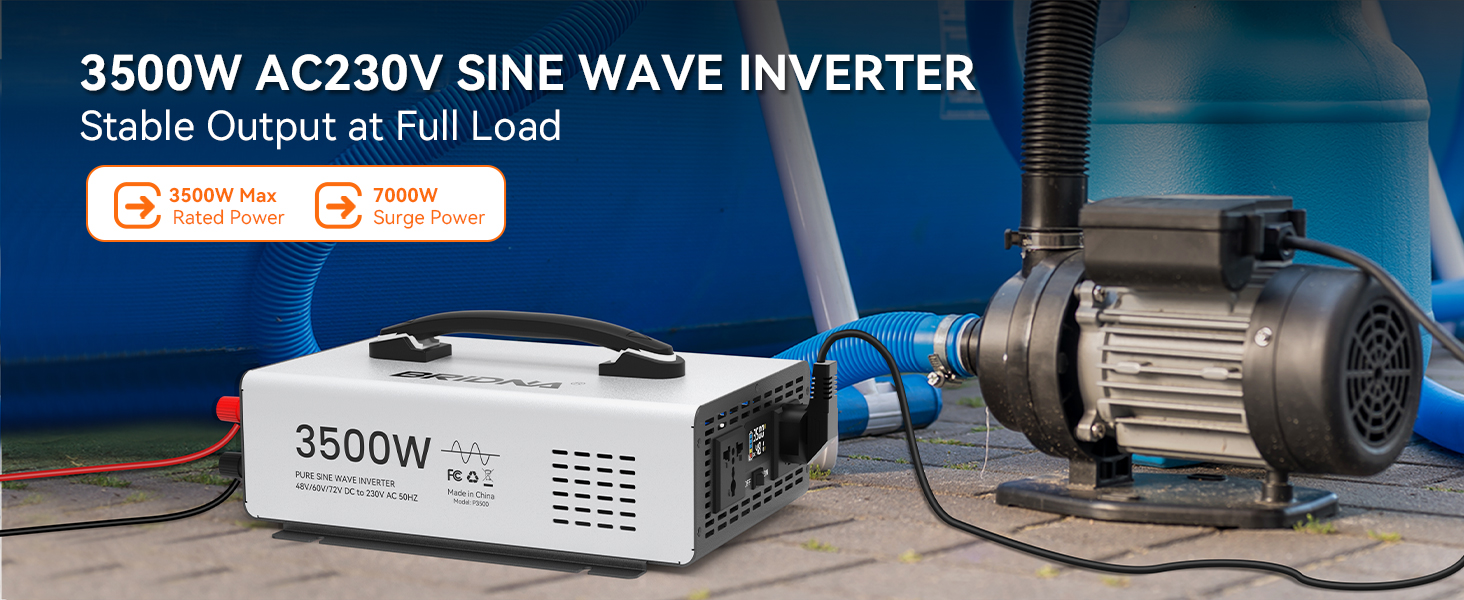
Bridna 3500W Power Inverter: Engineered Power‑Electronics For EV Emergency Backup And RV System Integration