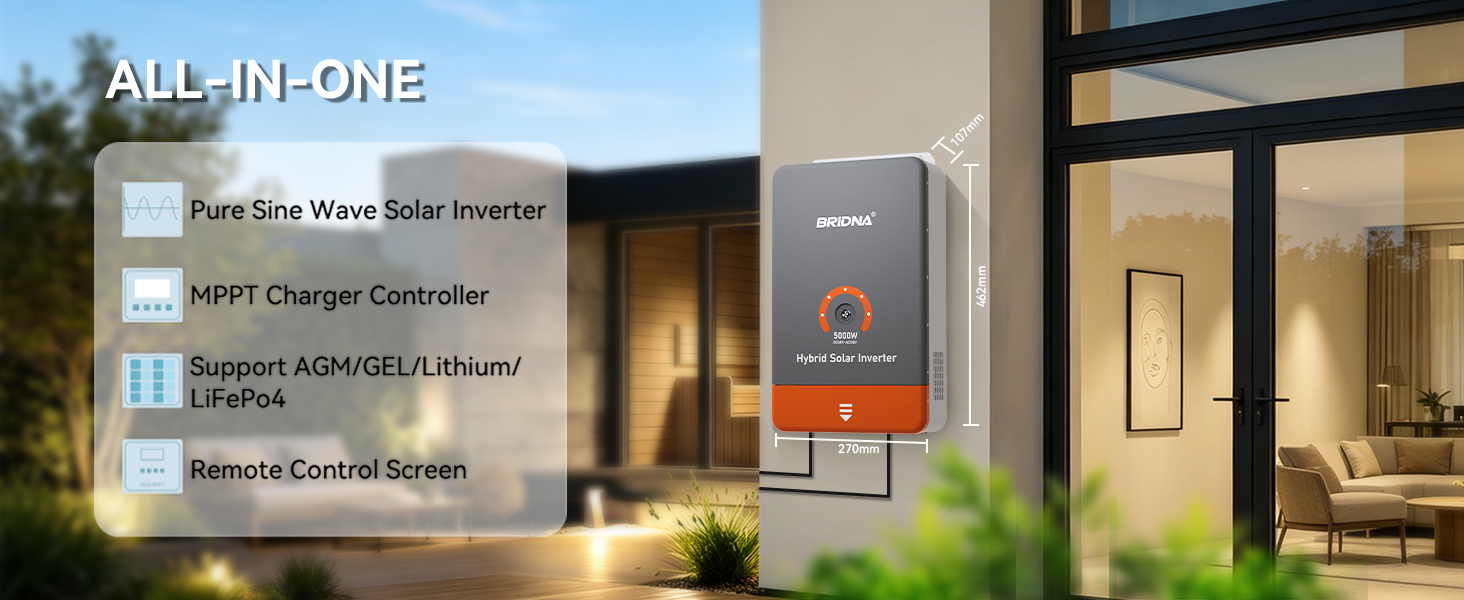
Solid state battery, what is solid state?
author: pro
2024-09-17
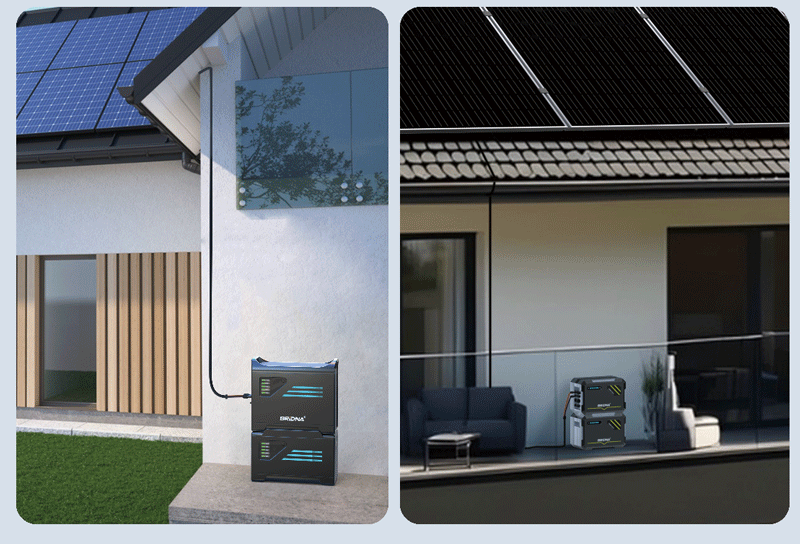
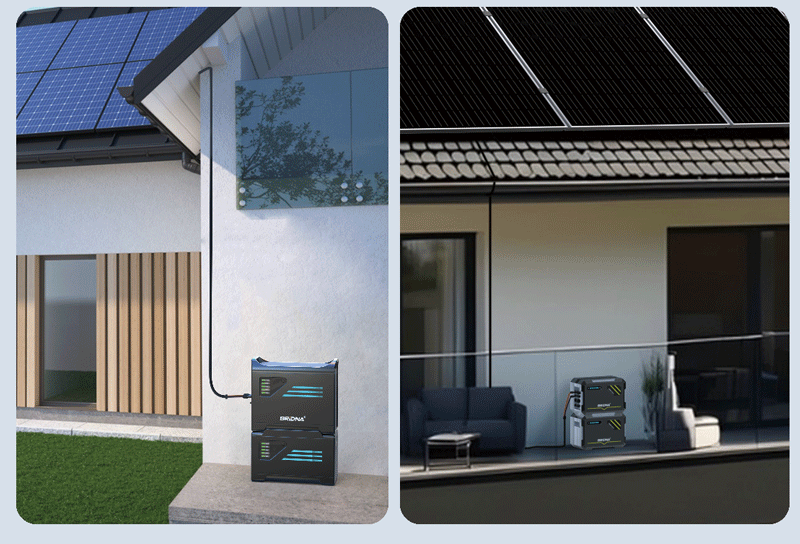
The transition from liquid batteries to solid-state batteries is a major trend in the long-term development of battery technology. The main reasons for promoting this transformation are safety and energy density. We believe that when car companies replace liquid batteries with solid-state batteries, safety is the short-term driving factor and energy density is the medium - to long-term driving factor. Safety mainly includes two major issues: thermal stability and lithium dendrite formation. 1) Thermal stability: the problem of short circuit between the positive and negative electrodes caused by the melting of the diaphragm. The glass transition temperature of PP/PE polymer for liquid lithium battery separator material is about 140-160 degrees, which can be increased to 160-180 degrees after coating treatment. But beyond this temperature, the polymer will transform into a flowing state, causing a direct short circuit between the positive and negative electrodes. 2) Lithium dendrite: The problem of lithium dendrite piercing through the separator, causing a short circuit and fire in the battery. During the charging and discharging process, lithium ions will partially reduce and deposit on the electrode sheet to form lithium dendrites. When the lithium dendrites grow to a certain extent, they will pierce the separator, causing the battery to short-circuit and catch fire. In the short term, safety is the main consideration for car manufacturers when adopting semi-solid/solid-state batteries. Liquid lithium batteries have a high probability of short circuiting and catching fire, which not only threatens the safety of passengers in the car, but also increases the probability of vehicle recalls due to safety issues, bringing additional cost burden to car manufacturers. Energy density refers to the improvement of energy density in solid-state batteries by introducing new negative electrode materials (silicon-based negative electrode, metal lithium negative electrode) and positive electrode materials (nickel manganese oxide LNMO, layered lithium rich manganese, etc.). At present, the energy density of liquid batteries (such as 4680) using high nickel ternary+silicon carbon negative electrodes is about 300Wh/kg, but the energy density of solid-state batteries can be increased to over 500Wh/kg after the application of new materials. But the voltage of the new material is relatively high, exceeding the limit of electrolyte adaptation, so it must be combined with solid electrolytes to be applied in batteries.
Development of Three Major Types of Batteries
Trends in the US International Photovoltaic Energy Storage Market
Related Article

System‑Level Engineering For Compact Portable Power‑Station Architecture
Bridna 300W Outdoor Portable Solar Power Station: Compact Engineered Energy Unit For Field And Emergency Deployments
Product Tech Article | Vehicle‑Mounted Power‑Electronics For Integrators & Wholesale Partners
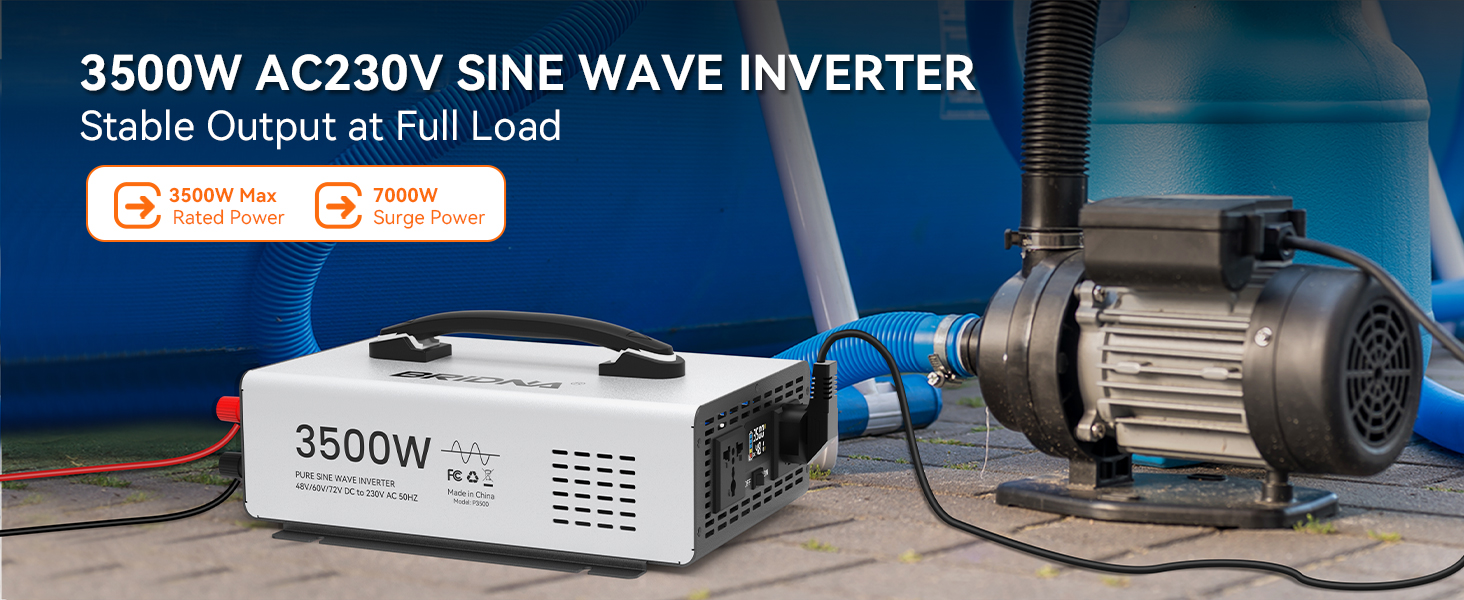
Bridna 3500W Power Inverter: Engineered Power‑Electronics For EV Emergency Backup And RV System Integration