The difference between pure sine wave and corrected sine wave of inverters, as well as the selection, usage method, and precautions of on-board inverters(2)
author: pro
2024-05-18
Usage of vehicle mounted inverters
1. Insert the car mounted inverter into the car cigarette lighter socket, and check the tightness between the plug and the socket when inserting. When it is too loose, open the two side shrapnel of the insertion head and then insert it into the cigarette lighter socket.
2. Confirm if the power indicator light of the onboard inverter is on.
3. Insert the power plug of the electrical appliance to be used into the socket of the vehicle power converter.
4. When unplugging continuously used electrical appliances, be sure to first confirm that the switch of the appliance is turned off, and then unplug the power plug.
5. When replacing the fuse of the onboard inverter, it is necessary to use the same model and specification of fuse. Using fuses or metal wires outside the specified specifications can cause abnormal overheating and fire.
6. Timely clean the dirt at the plug of the onboard inverter to avoid poor contact or abnormal overheating of the converter.
7. After use or when not in use, unplug the car inverter from the cigarette lighter socket and keep it properly.
Precautions for onboard inverters
1. It is necessary to strictly follow the instructions in the user manual when using the inverter.
2. The output voltage of the inverter is 220 volts AC, which is in a small space and in a movable state, so extra caution should be taken. It should be placed in a relatively safe place to prevent electric shock. It is best to cut off the input power when not in use.
3. Do not place the inverter in direct sunlight or near the outlet of the heater. The working environment temperature of the inverter should not exceed 40 degrees Celsius.
4. The inverter will generate heat during operation, so do not place items near or on it.
5. The inverter is afraid of water and should not be exposed to rain or sprinkled with water.
What is the difference between a sine wave inverter and a correction wave
The difference between pure sine wave and corrected sine wave of inverters, as well as the selection, usage method, and precautions of on-board inverters(1)
Related Article

System‑Level Engineering For Compact Portable Power‑Station Architecture
Bridna 300W Outdoor Portable Solar Power Station: Compact Engineered Energy Unit For Field And Emergency Deployments
Product Tech Article | Vehicle‑Mounted Power‑Electronics For Integrators & Wholesale Partners
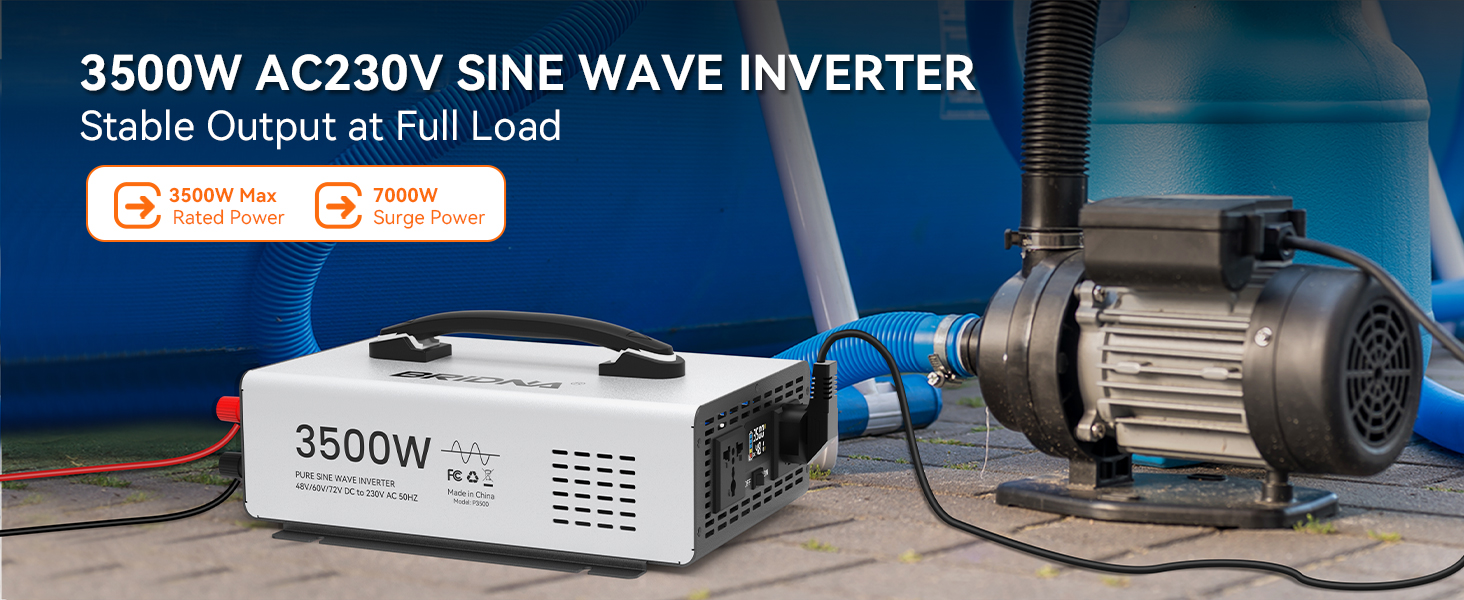
Bridna 3500W Power Inverter: Engineered Power‑Electronics For EV Emergency Backup And RV System Integration